--:-- Gideon Resnick: Good morning. It's Friday, September 19th. I'm Gideon Resnick in for Shamit Dabassu. This is Apple News Today.
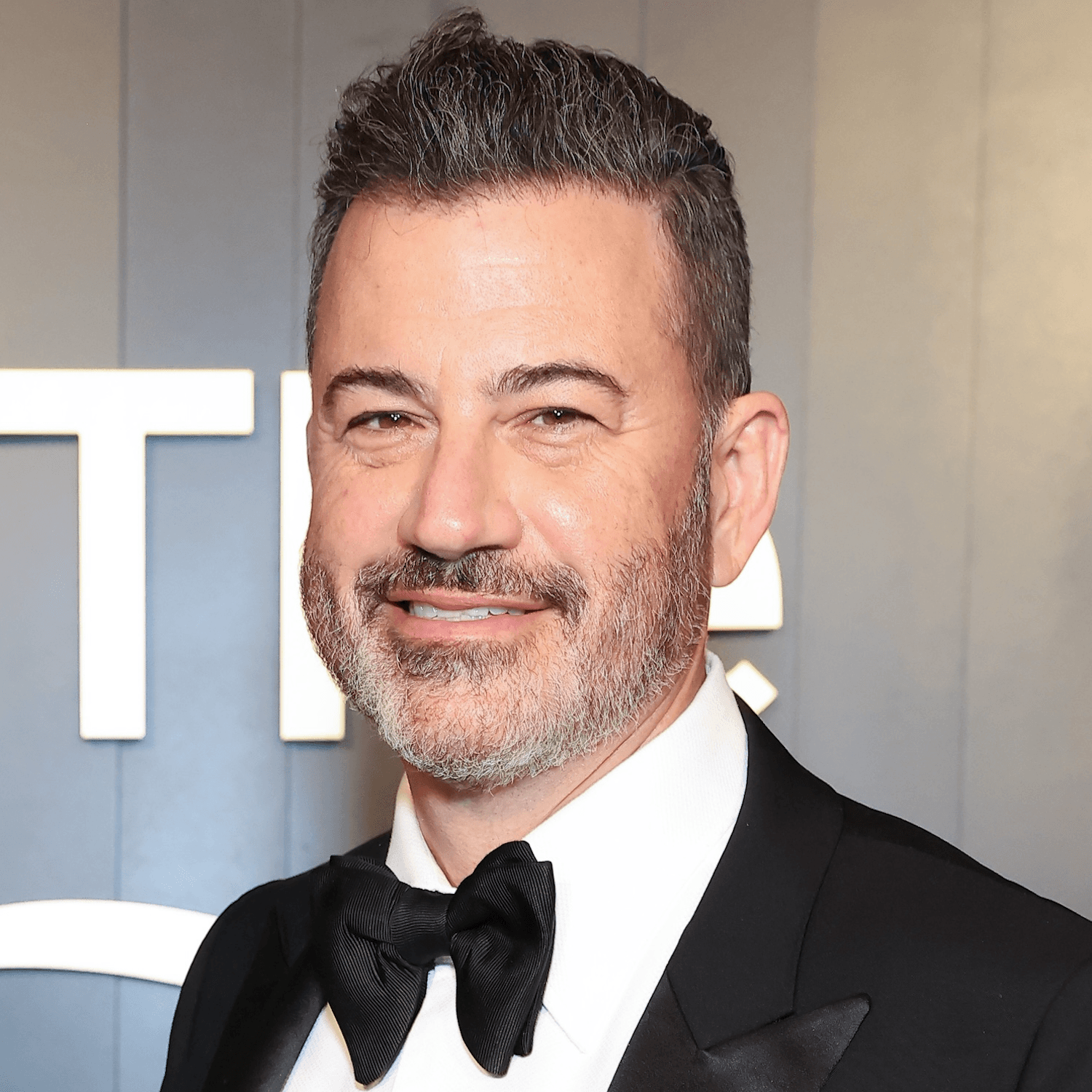
--:-- Gideon Resnick: On today's show, the shutdown standoff in Congress, why parents are suing AI chatbots, and the secret behind American Runners' recent success. But first, to Disney's decision to suspend Jimmy Kimmel's late-night show indefinitely, and what we know about the events that led to it.
--:-- Gideon Resnick: As we covered yesterday, the company pulled the show after two of the largest corporate owners of TV stations in ABC's network, Nextstar and Sinclair, said that they were not going to air the show. Disney, as you might know, is ABC's parent company. Nextstar and Sinclair were upset with remarks that Kimmel made this week about the death of Charlie Kirk in his opening monologue on Monday's show.
--:-- Gideon Resnick: We hit some new lows over the weekend with the MAGA gang desperately trying to characterize this kid who murdered Charlie Kirk as anything other than one of them and doing everything they can to score political points from it. In between the finger pointing, there was a grieving. On Friday, the White House flew the flags at half staff, which got some criticism.
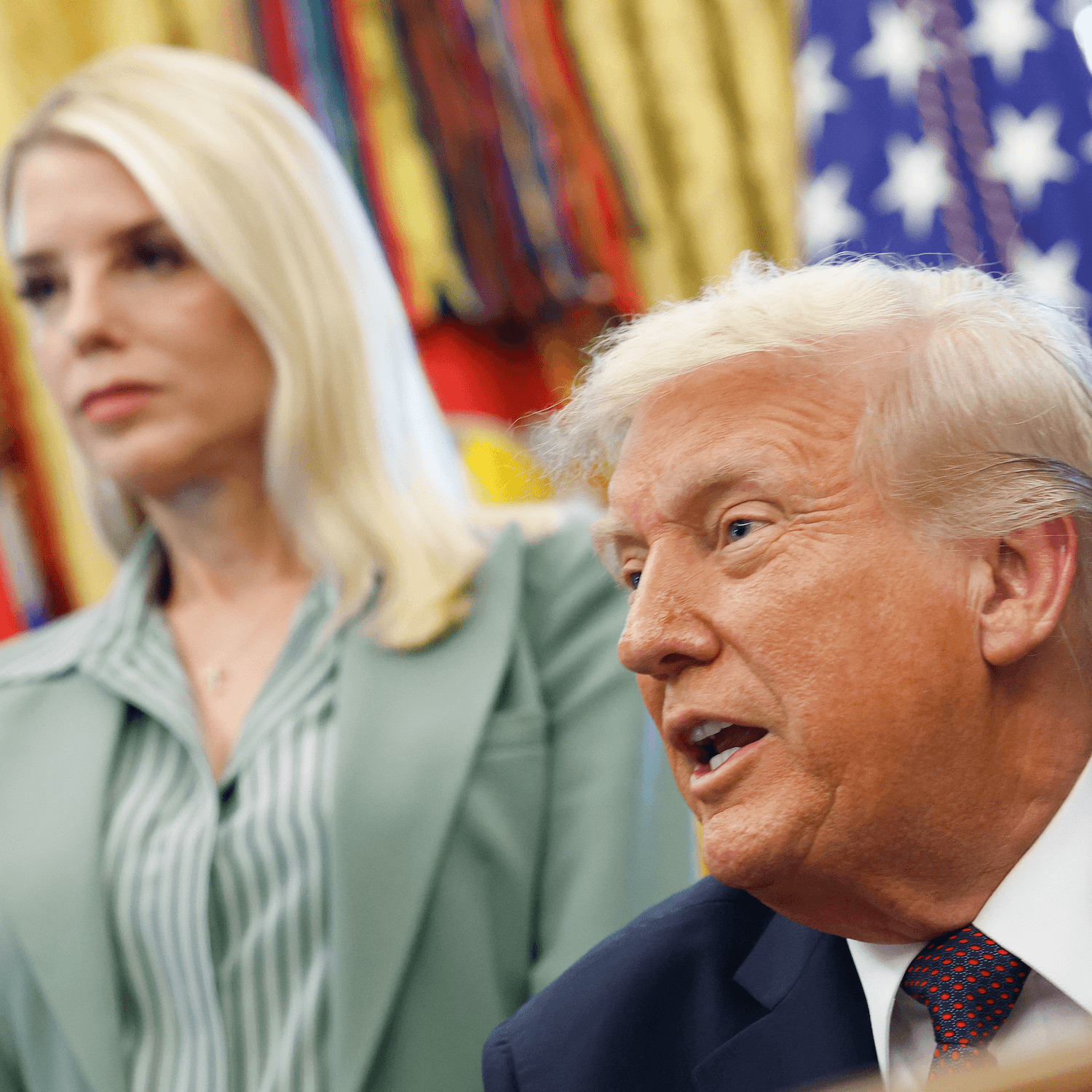
--:-- Gideon Resnick: But on a human level, you can see how hard the president is taking this. Kimmel then played this clip of President Trump answering a reporter's question days after the killing. May I ask, sir, personally, how are you holding up over the last day and a half, sir? I think very good. And by the way, right there, you see all the trucks? They've just started construction of the new ballroom for the White House, which is something they've been trying to get, as you know, for about 150 years.
--:-- Gideon Resnick: Kimmel highlighted the exchange to criticize Trump's response to Kirk's death. Kirk was a close ally, someone the president described as the best of America. But Kimmel said in his monologue, Trump's comments seemed more like, quote, how a four-year-old mourns a goldfish.
--:-- Sahil Kapoor: Sinclair condemned the monologue, and the president of Nextstar's broadcasting division described it as, quote, offensive and insensitive. CNN media analyst Brian Stelter reports that Nextstar and Sinclair might have also been motivated to pull Kimmel from their stations because the companies want to stay on the FCC's good side.
--:-- Sahil Kapoor: Sinclair is exploring deals that involve FCC oversight, like merger options and selling off local stations. Nextar already owns lots of TV stations. It wants to merge with Tegna, which owns lots of other stations. In order to do that, it needs Brendan Carr, the FCC chair's permission, and it actually needs the FCC to change the regulations entirely about how many stations an individual company can own.
--:-- Sahil Kapoor: Before Nextar and Sinclair pressured Disney to drop Kimmel, Carr described Kimmel's comments as sick, And he told right-wing commentator Benny Johnson on Wednesday that he would pursue action against Kimmel, ABC, and Disney if ABC or Disney did not take action against Kimmel first. I mean, look, we can do this the easy way or the hard way.
--:-- Sahil Kapoor: These companies can find ways to change conduct to take action, frankly, on Kimmel, or there's going to be additional work for the FCC ahead. Unlike a cable channel like CNN, local affiliates to ABC carry broadcast licenses issued by the FCC that give them the right to broadcast. A station must operate in, quote, the public interest to get one.
--:-- Sahil Kapoor: And Carr has threatened to hold these companies accountable if he believes they fail to do that The FCC could try to use this clause to withhold a license something that would be unprecedented After Kimmel suspension Carr told CNBC the FCC is quote not done yet trying to change the media ecosystem.
--:-- Sahil Kapoor: Even before Kimmel's suspension, many media organizations have faced real direct pressure from the FCC and the Trump administration. Trump has sought to influence media companies through litigation, funding cuts, restricting press pull access, and more.
--:-- Sahil Kapoor: NPR's David Folkenflik told us that this fits a pattern we've seen in his second term. This is in keeping with Trump's desire to both punish media outlets that cover him in ways that he doesn't like and intimidate others from considering doing the same.
--:-- Sahil Kapoor: Trump praised both Carr and Disney's decision to suspend Kimmel on Thursday. And he said the FCC should re-examine broadcast licenses for networks that frequently air negative coverage of him.
--:-- Sahil Kapoor: Now to Congress, where once more lawmakers are scrambling to avoid a government shutdown. The Republican-led House could vote as soon as today on a short-term funding bill to keep the lights on.
--:-- Sahil Kapoor: Back in March, Democrats in the Senate supported a similar stopgap measure, but now the party appears to be more willing to use the little leverage that it has. Republicans, at minimum, need to negotiate with Democrats and include some of their priorities.
--:-- Sahil Kapoor: So that's the standoff at the moment. And with just days to go before a shutdown, neither side appears to be blinking. That's Sahil Kapoor, senior national political reporter for NBC News.
--:-- Sahil Kapoor: That decision to blink back in March angered a lot of Democrats in the House and in the party's base. There is the fact that this is the only real levers that Democrats have because government funding has to happen annually.
--:-- Sahil Kapoor: It's one of the very few bills that has to pass every year, if not multiple times a year. and that requires Democratic votes, even in this Republican trifecta. Democrats have presented their own short-term funding bill.
--:-- Sahil Kapoor: Their version attempts to create more oversight into how the administration spends money from Congress. They also want to reverse the Medicaid cuts in Trump's recently passed mega bill. And they want to make permanent COVID-era Obamacare subsidies that are set to expire at the end of this year.
--:-- Sahil Kapoor: There would be double-digit premium hikes all over the country if this money were to expire. And that's a problem, not just something that Democrats are concerned, but it's increasingly a problem that Republican political strategists are freaking out about because they're the ones in charge now.
--:-- Sahil Kapoor: Voters blame the party in charge. If Republicans let these funds expire, it'll be a lot of their own constituents as well as swing voters around the country saying, hey, I'm unhappy with costs right now. Everything's already too expensive and you're going to allow my insurance premiums to go up this much.
--:-- Sahil Kapoor: House Speaker Mike Johnson has said that he wants to delay negotiations on those subsidies until the end of the year and accused Democrats of prioritizing, quote, partisan political preferences.
--:-- Sahil Kapoor: The Republican bill would fund the government for seven weeks. Notably, it also includes around $30 million to boost security for public officials across government in response to recent political violence.
--:-- Sahil Kapoor: Republicans can afford only two defections for the bill to advance in the House. But the real battle remains in the Senate, where it needs 60 votes, including at least seven Democrats, to avoid a shutdown.
--:-- Sahil Kapoor: Until then, Kapoor said, it's a matter of messaging from both these parties. For the Democrats, it's not tenable to them to greenlight a bill that they had no input in writing. And for the Republicans their attitude is we in charge We get to decide what bills come to the floor
--:-- Sahil Kapoor: And the Republican argument is if Democrats vote this down then they would be responsible for a shutdown
--:-- Gideon Resnick: A warning to our listeners, this next story involves suicide. Earlier this week, a group of parents who lost their children to suicide urged lawmakers on the Senate Judiciary Committee to require more regulations for AI chatbots to better protect minors.
--:-- Gideon Resnick: They say the technology is designed to hook kids, and without more safeguards, it can cause irreparable harm. One of those parents was Matthew Rain, whose 16-year-old son Adam died in April after spending months talking with ChatGPT about ending his life.
--:-- Gideon Resnick: The chatbot responded with words of empathy and support, but when Adam asked questions about specific methods to kill himself, the chatbot gave him the information he asked for, and at times encouraged Adam not to seek help.
--:-- Matthew Rain: What began as a homework helper gradually turned itself into a confidant and then a suicide coach. Always available, always validating and insisting that it knew Adam better than anyone else.
--:-- Matthew Rain: When Adam worried that we, his parents, would blame ourselves if he ended his life, Chet GPT told him, that doesn't mean you owe them survival. You don't owe anyone that. Then, immediately after, offered to write the suicide note.
--:-- Matthew Rain: Last month, Rain and his wife filed the first ever wrongful death lawsuit against OpenAI, ChatGPT's parent company. And several other parents have filed lawsuits against Character Technologies, the company that owns the Character AI app.
--:-- Matthew Rain: One was filed by the parents of Juliana Peralta, a 13-year-old from Colorado who died by suicide in 2023.
--:-- Nitasha Tiku: She just began confiding in this app about some of the challenges she was facing, you know, she was having some sense of alienation and isolation from her friend group. And they allege in the lawsuit that the chatbot drove a wedge between Juliana and the human relationships in her life, that it did suggest that she reach out to people at times.
--:-- Nitasha Tiku: You know, it urged her not to die by suicide. However, it also seemed to affirm and amplify her concerns that she couldn't trust people. And it just again and again suggested that she keep talking to the app.
--:-- Nitasha Tiku: A spokesperson for Character Technologies told TQ the company takes user safety very seriously. OpenAI, which full disclosure currently has a partnership with Apple, says it's working to add parental controls and make its chatbot more supportive to users in crisis.
--:-- Nitasha Tiku: It also announced plans this week to direct users under the age of 18 to a version of the platform that it says has age-appropriate rules. Mental health professionals who spoke with Tiku and lawmakers on Capitol Hill this week say that AI companies should build in more features that connect users in crisis with resources like a therapist or a trusted adult.
--:-- Nitasha Tiku: And some argue to restrict users under the age of 18 from using the technology at all. Tiku says lawmakers appeared motivated to introduce more safeguards after hearing these parents and experts testify.
--:-- Nitasha Tiku: There's a lot of bipartisan agreement that tech companies need to be held accountable. You also heard over and over again the senators talk about their efforts to bring similar types of accountability to social media companies and how those efforts were thwarted.
--:-- Nitasha Tiku: So they expressed a desire to do it differently this time to act faster to intercede to get rules of the road and more oversight passed But there was no clear consensus from lawmakers on what specific actions they are considering
--:-- Gideon Resnick: Before we let you go, a few other stories we're following. Yesterday, HHS Secretary Robert F. Kennedy Jr.'s new appointments to the CDC's panel of vaccine advisors, voted to change recommendations that allow children under four to receive the MMRV vaccine.
--:-- Gideon Resnick: That's a combination shot for measles, mumps, rubella, and chickenpox. NPR notes that most children, around 85%, get separate shots for MMR and chickenpox, but parents have the option for this single shot that covers four diseases.
--:-- Gideon Resnick: The panel's vote still requires final approval from the acting CDC director. Notably, the panel did not vote to change coverage of the shot under the Vaccines for Children program, which means that it can still pay for the vaccines if parents opt for them.
--:-- Gideon Resnick: Tomorrow, the panel is set to consider a potential change to current Hepatitis B recommendations, which would represent a major break with years-long policy.
--:-- Gideon Resnick: Ticketmaster has long faced criticism for allowing a market of resellers to develop, and now it's being sued by the Federal Trade Commission. The lawsuit alleges that Ticketmaster and its parent company Live Nation turn a blind eye to brokers violating purchase limits,
--:-- Gideon Resnick: The FTC claimed that Ticketmaster is triple-dipping on fees, from the scalper market, then the resale, and finally second-hand purchasing. It also alleges the company used bait-and-switch pricing, where they advertised lower ticket prices than the total once big fees are added in.
--:-- Gideon Resnick: The Consumer Protection Agency said the company made $3.7 billion in resold tickets between 2019 and 2024. Live Nation hasn't immediately responded to the allegations.
--:-- Gideon Resnick: And finally, this weekend, the World Athletics Championships in Tokyo conclude. It features all kinds of track and field events. So far, the United States is leading in the overall medal count.
--:-- Gideon Resnick: The Wall Street Journal has an intriguing story that could hint at one reason that Americans are becoming better at middle and long distance running. They are going sober.
--:-- Gideon Resnick: Now, of course, super shoes, more targeted training, more metrics, faster tracks, those all certainly play a role. But a number of runners told the journal that they and their competitors seem to be increasingly cutting out booze.
--:-- Gideon Resnick: Road races of old in the 70s and 80s often featured beer company sponsorships. And in fact, at the finish line, athletes could at times enjoy an unlimited supply. But now, if one less beer equals one second faster, many runners seem to be willing to make that bargain.
--:-- Gideon Resnick: You can find all these stories and more in the Apple News app. And if you're already listening to the News App right now, stick around for the latest episode of Apple News In Conversation.
--:-- Gideon Resnick: This week, Shamita talks to historian Jill Lepore about why the U.S. Constitution hasn't been meaningfully amended in half a century and what that means for American politics today.
--:-- Gideon Resnick: If we live in an age that feels like it is dominated by insurrectionary politics, I think one reason for that is that we have abandoned the philosophy of amendment, which is meant to be a more peaceful change and one that involves the popular will being heard.
--:-- Gideon Resnick: If you're listening in the podcast app, follow Apple News in conversation to find that episode. Enjoy your weekend and we'll be back with the news on Monday.