--:-- [Theme music fades out]
--:-- Allison Pohle: Welcome to The Journal, our show about money, business, and power. I'm Allison Pohle.
--:-- Jesse Newman: I'm here to say that my colleague, Allison Poley, is guest hosting today's episode. Enjoy.
--:-- Allison Pohle: Like many of us, my colleague, Jesse Newman, grew up eating cereal. But it wasn't the fun kind. It was mostly all the sort of like dry, boring cardboard stuff.
--:-- Jesse Newman: At a certain point, grape nuts entered our lives, compliments of my mother. And, you know, what a way to just ruin a kid's breakfast.
--:-- Allison Pohle: What was the cereal you wanted to eat? When we got a treat, some sort of treat, if we had a choice, it was always Froot Loops.
--:-- Jesse Newman: But these days, like a lot of Americans, grown-up Jesse usually has yogurt or eggs and toast for breakfast.
--:-- Allison Pohle: And that shift in breakfast habits across America has been bad news for cereal companies, and one company in particular.
--:-- Jesse Newman: Kellogg is, you know, an American icon. Kellogg, one of America's oldest cereal companies, has struggled in recent years.
--:-- Allison Pohle: They're just like the behemoth in the cereal aisle. Like they, they're the OG of cereal.
--:-- Jesse Newman: I mean, they, you know, they invented cornflakes. Nothing gets you crowing in the morning like the crisp corn taste of Kellogg's Cornflakes.
--:-- Allison Pohle: They've been around for over 100 years. They make Froot Loops and Frosted Flakes and just so many of those cereals that a lot of kids love.
--:-- Jesse Newman: Frosted Flakes, good.
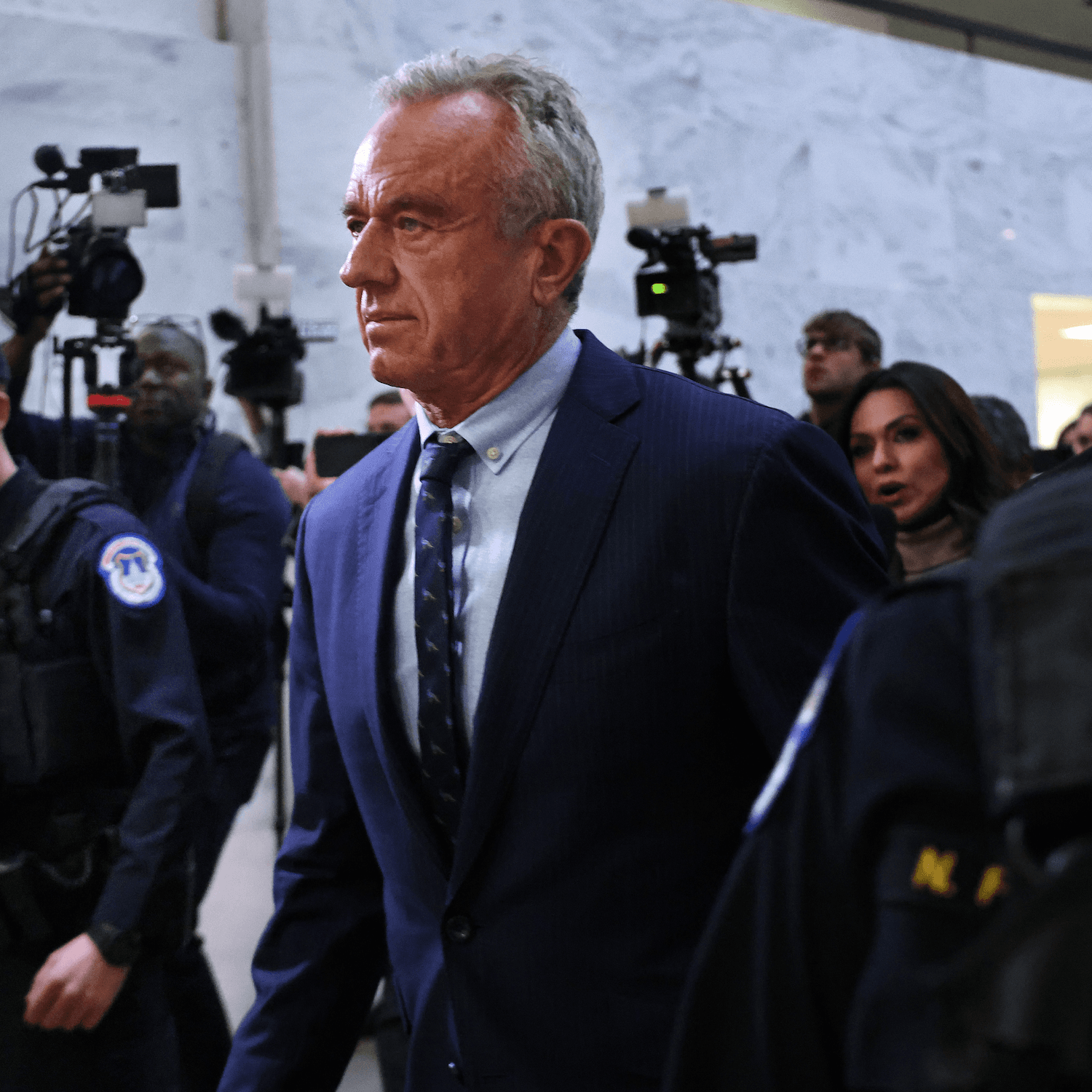
--:-- Allison Pohle: And now they're facing a new problem. Robert F. Kennedy Jr., the Secretary of Health and Human Services, said, look, I'm going to tell the cereal companies to take artificial dyes out of their cereals.
--:-- Jesse Newman: And he particularly talked about Fruit Loops. A box of Fruit Loops from Canada or from Europe, and it has a completely different group of ingredients, actually colored with vegetable oils, which are safe.
--:-- Allison Pohle: Ours are colored with chemical oils, which are very, very dangerous.
--:-- Jesse Newman: And so this became one of his central talking points for what would become Maha, the Maha movement.
--:-- Allison Pohle: And now other big food companies are watching Kellogg closely as the company tries to navigate the powerful Make America Healthy Again movement.
--:-- Jesse Newman: They're just in the spotlight now and being targeted as a source of what's making Americans so sick.
--:-- Allison Pohle: So it's just an incredibly fraught time for them with pressure coming from all different corners.
--:-- [Theme music transitions to a new segment]
--:-- Allison Pohle: Welcome to The Journal, our show about money, business, and power. I'm Alison Pulley. It's Thursday, August 28th.
--:-- Jesse Newman: Coming up on the show, Kellogg's journey from American icon to Maha Target.
--:-- Allison Pohle: We'll be right back. I'm so excited to embark on this adventure with all of you.
--:-- Jesse Newman: Make the best I do win!
--:-- Allison Pohle: On Brand with Jimmy Fallon. Series premiere Tuesday on NBC.
--:-- Allison Pohle: This episode is brought to you by State Farm. Checking off the boxes on your to-do list is a great feeling.
--:-- Jesse Newman: And when it comes to checking off coverage, a State Farm agent can help you choose an option that's right for you.
--:-- Allison Pohle: Whether you prefer talking in person, on the phone, or using the award-winning app, it's nice knowing you have help finding coverage that best fits your needs.
--:-- Jesse Newman: Like a good neighbor, State Farm is there.
--:-- Allison Pohle: When Kellogg started in 1906, it wasn't named Kellogg. It was named the Battle Creek Toasted Corn Flake Company.
--:-- Jesse Newman: That's because Kellogg was founded in Battle Creek, Michigan, which is also known as Serial City.
--:-- Allison Pohle: Love it. I had some family that's from Battle Creek who I talked to as I was writing this story.
--:-- Jesse Newman: And one thing that is for sure is that when Kellogg's Factory is producing, you know there is this scent of toasted grain that sort of wafts around on the wind in Battle Creek.
--:-- Allison Pohle: It definitely cereal City, yes.
--:-- Jesse Newman: In the decades that followed Kellogg factories made Rice Krispies, Raisin Bran, Corn Pops, Frosted Flakes, Fruit Loops, and some of these cereals even had mascots attached to them, like Toucan Sam.
--:-- Allison Pohle: We like them, Toucan Sam!
--:-- Jesse Newman: Me too!
--:-- Allison Pohle: So Toucan Sam and Tony the Tiger that certain generations of American kids grew up with as Saturday morning cartoons.
--:-- Jesse Newman: So the mascots of these brands were just a part of people's lives.
--:-- Allison Pohle: Oh, hi. I'm Tony the Bagger. Got my one-man band here to help tell you about these great Kellogg's sugar-frosted flakes.
--:-- Jesse Newman: The marketing worked. Kellogg's cereals infiltrated seemingly every American household.
--:-- Allison Pohle: For decades, cereal was convenient, cheap, and available everywhere.
--:-- Jesse Newman: It was also seen as nutritious at a time when the U.S. government's food pyramid suggested 6 to 11 servings of carbohydrates a day.
--:-- Allison Pohle: But then...
--:-- Jesse Newman: More recently, I would say, over the past decade or so, it's been pretty well accepted that cereal is just in, like, long-term decline.
--:-- Allison Pohle: And cereal consumption has really fallen off.
--:-- Jesse Newman: A lot of families now perceive cereal as there's a lot of cereal that is heavily sweetened. It's just full of sugar.
--:-- Allison Pohle: And, you know, a lot of families are perceiving it more as sort of a treat rather than a nutritious breakfast.
--:-- Jesse Newman: So what kinds of foods are people turning to instead? There are breakfast burritos and eggs and yogurt.
--:-- Allison Pohle: So it's just our palates have really diversified and are looking for different things when it comes to breakfast.
--:-- Jesse Newman: And in fact, a lot of families are even seeking even more convenience. So, you know, a lot of people will just grab like a granola bar or a protein bar for breakfast now.
--:-- Allison Pohle: Since 2017, the percentage of U.S. adults who eat heavily sweetened cold cereal went from 43 percent down to 31 percent, which hasn't been great for Kellogg.
--:-- Jesse Newman: But for decades, the company had diversified out of the cereal aisle and had a whole other snack side of the business.
--:-- Allison Pohle: And eventually, the snacks outperformed the cereal side.
--:-- Jesse Newman: Over the years, it really expanded. And Kellogg, as a company, started selling all kinds of snacks.
--:-- Allison Pohle: So they started selling Pringles. Pringles sour cream and onions.
--:-- Jesse Newman: And Cheez-Its. We like eating Cheez-Its. Great cheese taste in every bite.
--:-- Allison Pohle: And Pop-Tarts. Part of your complete breakfast, new Wildberry Pop-Tarts.
--:-- Jesse Newman: You may want to buy...
--:-- Allison Pohle: So it wasn't just a cereal company.
--:-- Jesse Newman: And in fact, over time, the snacks business became the much more sort of exciting part of Kellogg's business.
--:-- Allison Pohle: It was faster growing. Zero had this, was, you know, in decline.
--:-- Jesse Newman: But snacks were all the rage. Like, everybody is just snacking all day long.
--:-- Allison Pohle: Yep.
--:-- Jesse Newman: And so in 2022, Kellogg announced that they were going to split.
--:-- Allison Pohle: Kellogg eventually turned into two different companies. A cereal business called W.K. Kellogg and a snack company called Kelanova.
--:-- Jesse Newman: Essentially, they were just both going to be able to operate independently and have the focus that they needed in order to, you know, keep snacks growing and try to revive cereal sales.
--:-- Allison Pohle: And folks in the market saw that as putting a for sale sign on what was renamed W.K. Kellogg, so the cereal business, which was W.K. Kellogg.
--:-- Jesse Newman: W.K. Kellogg, the standalone cereal company, tried to change with the Times.
--:-- Allison Pohle: It released a high-protein vegan cereal called Eat Your Mouth Off in 2024.
--:-- Jesse Newman: It also collaborated with a sports nutrition brand and launched a Fruit Loop-flavored protein shake.
--:-- Allison Pohle: But nothing really broke through.
--:-- Jesse Newman: And that was all before the Maha movement.
--:-- Allison Pohle: Health Secretary Robert F. Kennedy Jr. says he wants food makers to stop using synthetic dyes made from petroleum to color what we eat and drink.
--:-- Jesse Newman: That's next.
--:-- Allison Pohle: Today we helped a latte for Sam coffee shop get an insurance quote simply and easily and made sure.
--:-- Jesse Newman: A floral delivery van was able to make someone's day.
--:-- Allison Pohle: We're the Hartford, with decades of experience insuring millions of unique small businesses.
--:-- Jesse Newman: When it comes to your small business insurance, one size absolutely does not fit all.
--:-- Allison Pohle: Get a quote or find an agent today at thehartford.com slash smallbusiness.
--:-- Allison Pohle: Why shop at Burlington? Maybe it the deals that are new each time you drop by.
--:-- Jesse Newman: Maybe it the brand names you be shocked Burlington has in store.
--:-- Allison Pohle: Or maybe it the quality of the items the amazing selection and the newest trends.
--:-- Jesse Newman: If you like to save but also like to stay in style, Burlington is your answer.
--:-- Allison Pohle: And the question you'll be asking yourself is, why go anywhere else?
--:-- Jesse Newman: Burlington. Deals. Brands. Wow.
--:-- Allison Pohle: We're just steps away from Kellogg's front door.
--:-- Jesse Newman: Thank you for everyone being here.
--:-- Allison Pohle: That's food activist Bonnie Hari at a protest in front of Kellogg's headquarters last fall.
--:-- Jesse Newman: On social media, she goes by the handle TheFoodBabe, and she's got 2.3 million followers on Instagram.
--:-- Allison Pohle: I'm here for all Americans who don't know the truth about our food industry.
--:-- Jesse Newman: Hari and hundreds of protesters marched on a street in Battle Creek toward the front door of Kellogg's headquarters.
--:-- Allison Pohle: They asked to be let in and were denied entry.
--:-- Jesse Newman: Let's go see! Let's go see!
--:-- Allison Pohle: Kellogg's cereal had recently become a big target of the Maha movement.
--:-- Jesse Newman: People like Hari and RFK Jr. are highly critical of food that is processed, sugary, and filled with artificial food dyes.
--:-- Allison Pohle: And many of Kellogg's products check all those boxes.
--:-- Jesse Newman: Here's another protester speaking out against artificial food dyes.
--:-- Allison Pohle: There's no way that you can deny that it's doing something negative to your body.
--:-- Jesse Newman: It doesn't belong there. It's not natural. It shouldn't be in our food.
--:-- Allison Pohle: A Kellogg spokeswoman said that the company agrees with the Trump administration's focus on health and wellness.
--:-- Jesse Newman: And that it has changed its cereals over time to suit consumers' changing tastes, such as adding offerings with less sugar.
--:-- Allison Pohle: She said many cereals contain just four ingredients plus vitamins and minerals, which the company has recently begun noting on some packaging.
--:-- Jesse Newman: The Maha movement has exploded in the last few months.
--:-- Allison Pohle: And now, with RFK Jr. in government, it has a lot of power.
--:-- Jesse Newman: RFK Jr. believes that artificial dyes can cause all different kinds of problems for consumers.
--:-- Allison Pohle: But in particular, he says that they cause ADHD and other problems in kids.
--:-- Jesse Newman: And so, you know, he doesn't think that artificial dyes have any place in the American food supply.
--:-- Allison Pohle: And he started going after Froot Loops in particular.
--:-- Jesse Newman: So what was his goal with those comments?
--:-- Allison Pohle: So he said very early on he was asked what he would do if he, you know, were part of the Trump administration.
--:-- Jesse Newman: And he said, I will ask the cereal companies to take dyes out of their products.
--:-- Allison Pohle: Food companies and industry groups have said artificial dyes are safe.
--:-- Jesse Newman: Immediately after Trump's election and RFK Jr.'s nomination to lead the HHS, big food companies, including Kellogg, tried to push back.
--:-- Allison Pohle: After Trump was re-elected, food industry lobbyists descended on Capitol Hill and started to, one of my favorite details that we learned from reporting was that they started out by targeting lawmakers that they referred to as Maha curious.
--:-- Jesse Newman: So this was lawmakers who they thought might be sympathetic to some of Maha's messages.
--:-- Allison Pohle: And they went in and they were, you know, trying to defend the products that they make and talk about how, you know, the products that they make are safe and affordable.
--:-- Jesse Newman: And in some cases, they were bringing toxicologists with them to explain what certain ingredients do to impress upon them, like, how seriously they take safety.
--:-- Allison Pohle: And so they really ramped up their lobbying game.
--:-- Jesse Newman: But RFK Jr.'s ideas around food have already spread to state houses across the country, from democratically controlled states like Massachusetts to Republican ones like West Virginia and Utah.
--:-- Allison Pohle: All have introduced bills that ban many artificial dyes used by big food.
--:-- Jesse Newman: And this is a huge concern for food companies.
--:-- Allison Pohle: So food companies are, you know, they have been very, you know, clear that they sort of cannot operate in a world in which, you know, there's what they refer to as like a patchwork of legislation, which bans certain ingredients in certain states and other ingredients in other states and requires warning labels in, you know, Texas and a QR code on packaging in Louisiana.
--:-- Jesse Newman: And what the food companies will tell you is that, you know, they can't make one product for West Virginia and another product for another state.
--:-- Allison Pohle: An HHS spokesman said that Kennedy values ongoing engagement with the food industry and is encouraged by the steps many companies are taking to improve nutrition and public health.
--:-- Jesse Newman: Under this pressure Kellogg relented.
--:-- Allison Pohle: And they were you know one of the first to make any sort of commitment.
--:-- Jesse Newman: Okay. And they said three things.
--:-- Allison Pohle: They said, okay, we're going to remove artificial dyes from the foods that we make for schools.
--:-- Jesse Newman: They said starting January 1st, 2026, we won't come out with any new products that use artificial dyes.
--:-- Allison Pohle: And then they also said that they were working with the administration to come up with a way to remove dyes from the rest of their products.
--:-- Jesse Newman: Although Kellogg's made these commitments, it remains to be seen whether U.S. consumers will buy naturally dyed Fruit Loops.
--:-- Allison Pohle: And switching away from artificial dyes will not be easy.
--:-- Jesse Newman: So this is a huge effort for their supply chains.
--:-- Allison Pohle: First of all, they have to, like, find, you know, natural dyes.
--:-- Jesse Newman: They've got to source these natural dyes.
--:-- Allison Pohle: Often, you know, natural dyes can be more expensive, particularly if they are in short supplies, than artificial dyes.
--:-- Jesse Newman: So they have to source these new dyes.
--:-- Allison Pohle: They are going to have to change their, you know, manufacturing and their equipment in their plants.
--:-- Jesse Newman: They're going to have to retool their plants.
--:-- Allison Pohle: They are going to have to change their processes, and they will likely have to tweak their recipes.
--:-- Jesse Newman: So how are Kellogg's challenges impacting its bottom line?
--:-- Allison Pohle: Kellogg, as we've talked about, like has Maha challenges and then they just have serial challenges.
--:-- Jesse Newman: You know, the category is struggling and they won't draw a line and say, you know, Maha has impacted sales in this way.
--:-- Allison Pohle: But we can see that their sales have really slowed and are declining quarter after quarter.
--:-- Jesse Newman: Under all this pressure, Kellogg attracted a buyer.
--:-- Allison Pohle: Ferrero, the Italian food company most famous for making Nutella, announced in July that they were going to buy the cereal company for $3.1 billion.
--:-- Jesse Newman: Originally, Ferrero was going to offer more, but then it realized that Maha was a big concern.
--:-- Allison Pohle: And what was fascinating to see was that over the course of several months, they wound up reducing their offer by about $75 million.
--:-- Jesse Newman: And they said that that was because, you know, both of Kellogg's financial performance and also because of what they refer to as significant political and regulatory headwinds.
--:-- Allison Pohle: And so, you know, it was what we learned through reporting was that Maha was a real concern for Ferrero.
--:-- Jesse Newman: Jesse's reporting shows that executives across big food companies are trying to determine the best way to deal with Maha.
--:-- Allison Pohle: Do they fight or do they acquiesce?
--:-- Jesse Newman: Their challenge? Balancing America's new hunger for healthier ingredients with the realities of what people will actually buy.
--:-- Allison Pohle: Some companies have assembled special teams for this new political moment.
--:-- Jesse Newman: They're tracking ingredients under scrutiny and assessing which ones they might have to remove or label.
--:-- Allison Pohle: What message does Kellogg's Maha problem send to the rest of the food industry?
--:-- Jesse Newman: You know, I think in a lot of ways, Kellogg's Maha problem really mirrors what the rest of the industry is going through.
--:-- Allison Pohle: Kellogg is unique in the amount of pressure that it's faced because they were this early target.
--:-- Jesse Newman: But really, the entire food industry faces the same Maha problem.
--:-- Allison Pohle: And I think what is really interesting that we learned through the course of the deal, however, is that Maha, in that case, had actual financial ramifications.
--:-- Jesse Newman: So, Baha is a genuine force, and we can debate the scientific bona fides of, you know, the various things that it wants to do, and we can debate how much of it will actually get done.
--:-- Allison Pohle: But I don't think there's any debating that it's a, you know, it's a significant force at the moment that companies really have to reckon with.
--:-- [Theme music returns]
--:-- Allison Pohle: That's all for today, Thursday, August 28th.
--:-- Jesse Newman: The Journal is a co-production of Spotify and The Wall Street Journal.
--:-- Allison Pohle: Additional reporting in this episode from Owen Tucker-Smith.
--:-- Jesse Newman: Thanks for listening. See you tomorrow.