--:-- [Theme music fades out]
--:-- Steve Inskeep: Welcome to Up First. I'm Steve Inskeep with Michelle Martin.
--:-- Michelle Martin: Good morning, Steve. Here are some vocabulary words to help describe this week. The market is kind of like... and the consumer is like... Will the Fed step in to stabilize things with lower rates?
--:-- Steve Inskeep: A budget plan extending President Trump's tax cuts narrowly gained approval in the House. That will allow us now to move forward to have our committees actually drafting the one big beautiful bill.
--:-- Michelle Martin: Even some Republicans worried that spending cuts targeting Medicaid could hurt working class Trump voters. So what is the Republican strategy?
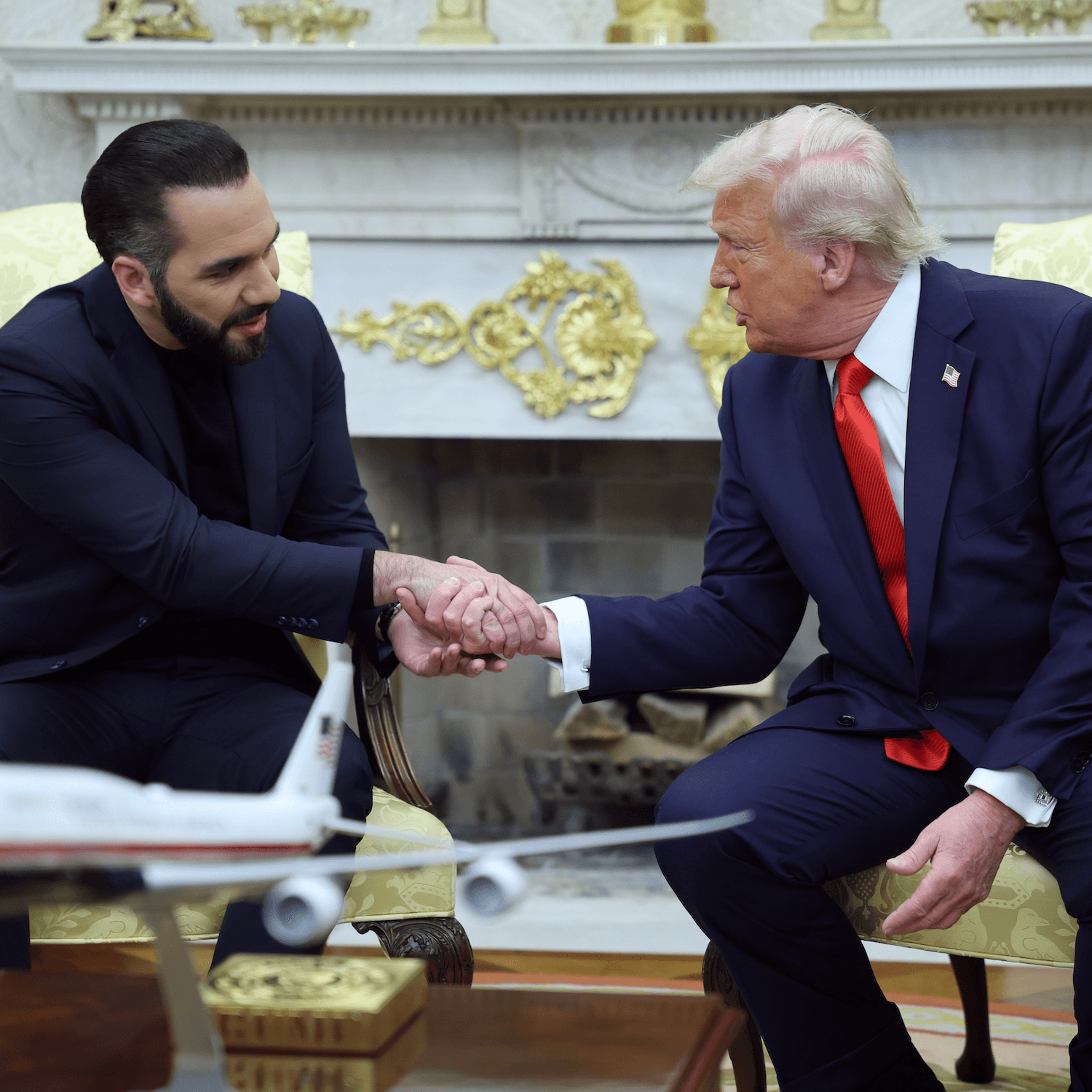
--:-- Steve Inskeep: And the Supreme Court says the Trump administration must return a Maryland man who was mistakenly deported to El Salvador. Stay with us. We've got the news you need to start your day.
--:-- Steve Inskeep: This message comes from BetterHelp. President Fernando Madeira describes how BetterHelp online therapy has helped him.
--:-- Fernando Madeira: For me, sometimes I just need to go and talk to somebody that is not going to judge me, right? Is going to be there and going to listen to me. And I can start just saying, look, I'm not feeling right today. And it feels natural.
--:-- Steve Inskeep: To get matched with a therapist, visit BetterHelp.com slash NPR for 10% off your first month.
--:-- Michelle Martin: This message comes from Lisa. Lisa mattresses are meticulously designed and assembled in the USA for exceptional quality, and each mattress is designed with specific sleep positions and feel preferences in mind.
--:-- Lisa: Plus, they back it all up with free shipping, easy returns, and a 100-night sleep trial. Visit Lisa.com for 25% off mattresses, plus get an extra $50 off with promo code NPR.
--:-- Steve Inskeep: That's L-E-E-S-A dot com, promo code NPR.
--:-- Michelle Martin: This message comes from NPR sponsor Adobe. Introducing the all-new Adobe Acrobat Studio, now with AI-powered PDF spaces.
--:-- Adobe: Need to turn 100 pages of market research into 5 insights with a click? Templates for a sales proposal that'll close that deal? or an AI specialist to tailor the tone of your market report. You can do all that with the all-new Adobe Acrobat Studio.
--:-- Steve Inskeep: Learn more at adobe.com slash do that with Acrobat.
--:-- Michelle Martin: This message comes from Ritual. What makes Ritual vitamins different? Ritual vitamins are made with bioavailable clinically studied key ingredients as well as the essence of mint.
--:-- Ritual: Get 25% off your first purchase when you visit ritual.com slash NPR.
--:-- Steve Inskeep: One of President Trump's many changes to the tariff rates on Chinese goods underlined the power held by a single person. This week, the president made up a new tax rate that Americans pay for Chinese imports.
--:-- Scott Horsley: He made the announcement by composing a social media post with a couple of cabinet secretaries in the room. That was the process.
--:-- Steve Inskeep: One day later, the White House said the rate was actually different than announced, marking the sixth time the president has changed the China tariff in a matter of weeks.
--:-- Scott Horsley: Last night, China struck back by raising their tariffs on U.S. imports to 125%. So what does all this mean for financial markets and the broader economy?
--:-- Steve Inskeep: NPR's Scott Horsley has been watching all these ups and downs, and he is with us now. Good morning, Scott.
--:-- Scott Horsley: Good morning. More downs than ups lately. Well, you sure got that right.
--:-- Steve Inskeep: So the stock market regained a lot of its earlier losses on Wednesday when Trump backtracked on some of its tariffs. But then the air went out of the balloon pretty fast. What happened?
--:-- Scott Horsley: Yeah, math happened. Analysts crunched the numbers yesterday and figured out that even with Wednesday rollback we still looking at the highest import taxes in well over a century.
--:-- Steve Inskeep: There now a 10 tax on everything the U buys from most countries around the world and the tax on imports from China is even higher than we thought, 145.
--:-- Scott Horsley: Now, overnight, China punched back with its own triple-digit tariff on U.S. exports, and investors are worried this could really be a drag on economic growth.
--:-- Steve Inskeep: Speaking at the Economic Club in New York yesterday, Austin Goolsbee used a technical term to describe all this. He called it the freak-out channel.
--:-- Austin Goolsbee: The market is kind of like, ah, and the consumer is like, ah, and the Fed's job in that environment is to be the one to say, please remain seated with your seatbelt fastened until the pilot indicates it is time to move about to cabinet.
--:-- Steve Inskeep: President Trump's been lobbying the Fed to cut interest rates, but Goolsbee says the central bank's going to take its time.
--:-- Scott Horsley: He notes that before this trade war took off last week, the U.S. was actually in solid economic shape with low unemployment and falling inflation.
--:-- Steve Inskeep: Yeah, and there was some good news on inflation yesterday, but that was largely drowned out by the tariff talk. Would you say more about that?
--:-- Scott Horsley: Yeah, yesterday's report from the Labor Department showed inflation seemed to be coming under control last month. Prices in March were up only 2.4 percent from a year ago.
--:-- Steve Inskeep: Prices actually came down a little bit between February and March, thanks to a sharp drop in gas prices.
--:-- Scott Horsley: Now, I should note grocery prices, which are something that the president likes to talk a lot about were up in March, and retail egg prices continue to climb.
--:-- Steve Inskeep: Egg farmers have gotten a little bit of a break in recent weeks from avian flu after a really tough winter, but it's going to take months to rebuild the egg-laying flock.
--:-- Scott Horsley: And in the meantime, egg prices are up about 60% from a year ago, with Easter just around the corner.
--:-- Steve Inskeep: And there is concern that progress on inflation could be stalled by the trade war. Isn't that right?
--:-- Scott Horsley: Sure, especially with tariffs that could more than a doubt double the price on stuff we buy from China, like clothing and furniture and electronics and toys.
--:-- Steve Inskeep: Up until Wednesday, the president's tariff gun was sort of pointed in every direction. Now it is aimed more directly at China.
--:-- Scott Horsley: And that does mean there's more opportunity for importers to lower their tariff bill by shopping in countries other than China.
--:-- Steve Inskeep: But even if that happens, we're still looking at the highest tariffs since the Great Depression in the 1930s.
--:-- Scott Horsley: And Austin Goolsbee says that could put the Fed in a tough spot as it tries to decide what to do with interest rates.
--:-- Steve Inskeep: If you start to see a recession coming, you should lower the rates. If you see prices rising and the inflation rate going up, you should raise the rates. If there's a lot of uncertainty, you should wait and do nothing.
--:-- Scott Horsley: Right now, markets are betting the Fed will stick with that do nothing approach and hold interest rates steady, at least for the next couple of months.
--:-- Steve Inskeep: That is NPR's Scott Horsley. Scott, thank you.
--:-- Scott Horsley: You're welcome.
--:-- Michelle Martin: The Speaker of the House is starting his day on a win. Republicans narrowly gained approval of their budget blueprint, which makes room for renewing President Trump's tax cuts as well as his border security policies.
--:-- Steve Inskeep: This plan also includes trillions of dollars in federal borrowing to finance those tax cuts and other things. Fiscal conservatives resisted that part but got a promise from party leaders to deliver spending cuts later.
--:-- Michelle Martin: Speaker Mike Johnson says the real work begins now.
--:-- Steve Inskeep: That was a big step because that will allow us now to move forward to have our committees actually drafting the one big beautiful bill.
--:-- Michelle Martin: And our congressional correspondent Deirdre Walsh is with us now. Good morning, Deirdre.
--:-- Deirdre Walsh: Good morning, Michelle.
--:-- Michelle Martin: So as I understand it, House Speaker Mike Johnson didn't have the votes on Wednesday but got it through yesterday. So what happened? How did he manage it?
--:-- Deirdre Walsh: Well, he and Senate Majority Leader John Thune met separately with a group of about 20 conservatives who were adamant that the budget package had to include a minimum amount of spending cuts.
--:-- Steve Inskeep: They talking trillion There a range in this resolution but these hardliners weren't convinced the Senate would actually meet the higher number and now they say they are.
--:-- Deirdre Walsh: So what's in this blueprint? It's really a big package that wraps the president's legislative agenda into one set of instructions for committees to follow.
--:-- Michelle Martin: The resolution says the House and Senate agrees on these goals. Now they have to work out all the details.
--:-- Deirdre Walsh: They've agreed they want more money for border security, domestic energy production. But most importantly, this budget extends the president's tax cuts.
--:-- Steve Inskeep: Those are going to expire at the end of 2025. That extension of those tax breaks is going to cost around $5.5 trillion over 10 years.
--:-- Deirdre Walsh: Republicans are also planning to use this budget package to avoid a default on the nation's debt.
--:-- Michelle Martin: They're going to raise the debt ceiling by about $5 trillion.
--:-- Deirdre Walsh: By doing it in this budget package, they don't have to negotiate any concessions with Democrats.
--:-- Steve Inskeep: They're using a process to get around a Democratic filibuster.
--:-- Deirdre Walsh: Democrats have been blasting this package. They're saying it's going to add trillions to the deficit.
--:-- Michelle Martin: Some were calling it yesterday a heist with tax breaks for the wealthy as programs for the working class are expected to be slashed.
--:-- Deirdre Walsh: So about this $1.5 trillion in cuts, there's already discussion about a big chunk of those cuts coming from Medicaid, which is the health care program for low-income people, elderly people, and disabled people.
--:-- Michelle Martin: Is that still the plan?
--:-- Deirdre Walsh: There is no doubt Medicaid is going to be a big source of savings in this budget.
--:-- Steve Inskeep: You cannot cut $1.5 trillion from the federal budget without getting some from the biggest side of the federal ledger.
--:-- Deirdre Walsh: That's mandatory spending on programs like Medicaid.
--:-- Michelle Martin: The process Republicans are using walls off any changes to Social Security.
--:-- Deirdre Walsh: After the vote, the Speaker was careful to say Medicaid beneficiaries aren't going to lose their coverage.
--:-- Steve Inskeep: He's arguing there's over $50 billion in waste, fraud, and abuse in the Medicaid program and other programs.
--:-- Deirdre Walsh: The Speaker emphasized they're going to make changes to Medicaid to add work requirements.
--:-- Michelle Martin: No one has talked about cutting one benefit in Medicaid to anyone who's duly owed.
--:-- Deirdre Walsh: What we've talked about is returning work requirements.
--:-- Steve Inskeep: So, for example, you don't have able-bodied young men on a program that's designed for single mothers and the elderly and disabled.
--:-- Deirdre Walsh: Okay, so Republican leaders say they want to get the legislation with all the details to the president's desk by Memorial Day.
--:-- Michelle Martin: Is that timeline doable?
--:-- Deirdre Walsh: This is going to be a huge lift for Republicans.
--:-- Steve Inskeep: And as you know, they have a really skinny majority in the House.
--:-- Deirdre Walsh: Lawmakers in swing districts are really concerned about Medicaid.
--:-- Michelle Martin: And conservatives want more than $1.5 trillion in cuts.
--:-- Deirdre Walsh: They want closer to $2 trillion.
--:-- Steve Inskeep: But even some Republicans like Missouri Republican Josh Hawley are warning, they're not going to vote for Medicaid cuts.
--:-- Deirdre Walsh: And many working class Trump voters rely on these programs and they would be the ones hurt.
--:-- Michelle Martin: That is NPR's Deirdre Walsh. Deirdre, thank you.
--:-- Deirdre Walsh: Thank you.
--:-- Michelle Martin: The Supreme Court says the Trump administration must, quote, facilitate the return of a Maryland man who was mistakenly deported to El Salvador.
--:-- Steve Inskeep: The high court mostly sided with a lower court judge despite an emergency appeal from the Trump administration.
--:-- Michelle Martin: The justices sent the case back for clarification to that judge on just what the court can tell the president to do.
--:-- Paris Joel Rose: His name is Kilmar Abrego Garcia. He had been living in Maryland for over a decade. He had a form of protected status that should have prevented his deportation to El Salvador.
--:-- Michelle Martin: In spite of that, ICE officers arrested Abrego Garcia last month and deported him to El Salvador, along with hundreds of other men the Trump administration also accuses of being gang members.
--:-- Paris Joel Rose: Abrego Garcia denies that.
--:-- Steve Inskeep: The government says he was deported to El Salvador because of an administrative error but argued there is nothing it can do now because Abrego Garcia was already out of the U.
--:-- Michelle Martin: A federal district judge rejected that argument. She ordered that he be brought back to Maryland quickly.
--:-- Paris Joel Rose: But Chief Justice John Roberts put that order on hold while the Supreme Court could consider the case.
--:-- Michelle Martin: And what exactly did the Supreme Court decide last night?
--:-- Paris Joel Rose: The court issued a brief unsigned order.
--:-- Steve Inskeep: It's interesting to note that there were no dissents, although there was a statement from Justice Sonia Sotomayor, joined by the court's other two liberals, calling this an egregious violation of Abrego Garcia's rights.
--:-- Paris Joel Rose: The court said that the government must now facilitate Abrego Garcia's release from custody in El Salvador and handle his case as it would have been handled if he had not been improperly sent there.
--:-- Michelle Martin: That part is a win for Abrego Garcia, but the justices also had some instructions for the district court judge.
--:-- Paris Joel Rose: They told her to clarify the meaning of the word effectuate when she ordered the Trump administration to effectuate Abrego Garcia's return.
--:-- Steve Inskeep: The justices said the scope of that term is unclear, and that it might exceed the lower court's authority when it comes to foreign policy.
--:-- Paris Joel Rose: So when do we expect that judge to act?
--:-- Michelle Martin: She already has. Late last night, Judge Paula Zinies issued a new revised order clarifying that the government needs to take, quote, all steps to facilitate the return of Abrego Garcia, unquote, to the U.S. as soon as possible.
--:-- Paris Joel Rose: Zinies wants to know his current physical location and status, what steps the government has taken to bring him back, and what additional steps they are considering.
--:-- Michelle Martin: And she's called a hearing for later today in Maryland.
--:-- Paris Joel Rose: So Judge Zinni's is not wasting any time.
--:-- Steve Inskeep: Has the White House said anything about this? Have they had any comment?
--:-- Paris Joel Rose: White House Deputy Chief of Staff Stephen Miller did post about the case on social media last night.
--:-- Michelle Martin: He framed this as a rejection of the judge's order because the Supreme Court said that lower courts cannot dictate foreign policy.
--:-- Paris Joel Rose: Miller claimed that it is El Salvador that is holding Abrego Garcia, not the U.S. government.
--:-- Steve Inskeep: So at this moment, it is not clear exactly when or if Abrego Garcia will be coming back to the U.S.
--:-- Michelle Martin: Before we let you go, there's another closely watched immigration case that's back in court today in Louisiana.
--:-- Paris Joel Rose: So what can you tell us about that?
--:-- Michelle Martin: Yeah, this is the case of Mahmoud Khalil, the Columbia graduate student and lawful permanent resident who was arrested and detained by ICE last month because of his pro-Palestinian activism.
--:-- Paris Joel Rose: Here, the Trump administration has argued that Khalil has engaged in, quote, anti-Semitic and destructive protests.
--:-- Steve Inskeep: And for that, he should be stripped of his green card and deported.
--:-- Paris Joel Rose: His lawyer says that's a violation of the First Amendment.
--:-- Michelle Martin: And the immigration judge says she'll decide today whether there's enough evidence to deport him or not.
--:-- Paris Joel Rose: That is NPR's Joel Rose. Joel, thank you.
--:-- Joel Rose: You're welcome.
--:-- Michelle Martin: The First Amendment is a cornerstone of American democracy.
--:-- Steve Inskeep: See, this week our co-host Leila Fadel wanted to know how the right to free speech might be changing for different people under the Trump administration.
--:-- Michelle Martin: Conservatives are just, in general, much more willing to speak their mind.
--:-- Steve Inskeep: They just sort of shut down the conversation by saying, I'm putting you on a list.
--:-- Michelle Martin: This Sunday on Up First, who feels emboldened and who feels silenced?
--:-- Steve Inskeep: Listen to the Sunday story here on NPR's Up First podcast.
--:-- Michelle Martin: And that's Up First for Friday, April 11th. I'm Michelle Martin.
--:-- Steve Inskeep: And I'm Steve Inskeep.
--:-- Michelle Martin: Remember, Up First comes your way on Saturdays, too.
--:-- Steve Inskeep: Ayesha Rascoe and Scott Simon have the news.
--:-- Michelle Martin: And you can find it wherever you get your podcasts.
--:-- Steve Inskeep: Today's episode of Up First was edited by Raphael Nam, Kelsey Snell, Julia Redpath, Jan Johnson, and Jenea Williams.
--:-- Michelle Martin: It was produced by Ziad Buchh, Ben Abrams, and Christopher Thomas.
--:-- Steve Inskeep: We get engineering support from Neisha Heinis.
--:-- Michelle Martin: And our technical director is Carleigh Strange.
--:-- Steve Inskeep: Our Executive Producer is Jay Shaylor.
--:-- Michelle Martin: We hope you'll join us again.
--:-- [Theme music fades in]