--:-- Alex Ritson: This is the Global News Podcast from the BBC World Service. I'm Alex Ritson.
--:-- Alex Ritson: Every moment, every move, every step of the way. Schedule your move now by going to Mayflower.com.
--:-- Alex Ritson: Saksaw 5th is your secret to fashion's most wanted deals at up to 70% off. On the hunt for designer steals that'll turn heads and leave a trail of envy? Uncover Gucci, Valentino, Versace, Stuart Weitzman, and more. With new arrivals dropping weekly at prices too good to stay confidential. Lux layers, statement boots, and tailored essentials from Saksaw 5th will put your wardrobe on the most wanted list. Head to saxoff5th.com or a saxoff5th store near you for a style lineup you won't want to miss.
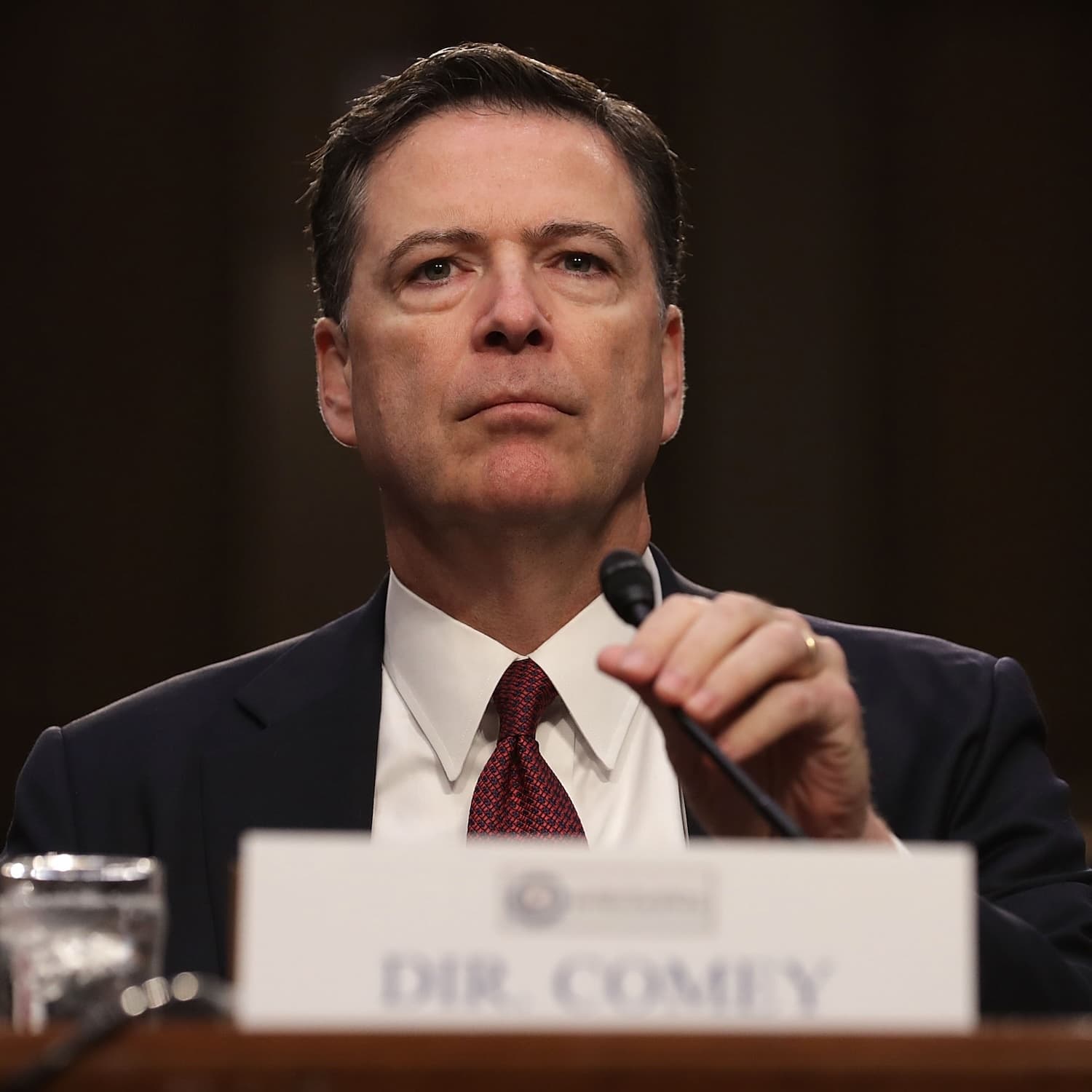
--:-- Alex Ritson: This is the Global News Podcast from the BBC World Service. I'm Alex Ritson and at 0500 GMT on Friday the 26th of September, these are our main stories. The former director of the FBI, James Comey, faces criminal charges amid a push by Donald Trump to prosecute his political foes.
--:-- Alex Ritson: An Oval Office executive order paves the way for US ownership of the American operations of TikTok.
--:-- Alex Ritson: Scientists say a one-million-year-old skull found in China suggests our species began to emerge 500,000 years earlier than previously thought.
--:-- Alex Ritson: Also in this podcast... When you come down from mephodrome, you can't sleep. You can go for days without eating or sleeping. Everything feels terrible and you feel like dying. Use of the illegal party drug mephodrome soars among young people in Russia.
--:-- David Willis: James Comey has been indicted on charges of making false statements to Congress and obstruction of justice. And it's thought that the charges relate to testimony that he gave to the Senate Judiciary Committee back in 2020, addressing Republican criticism of the FBI investigation into Russian election interference.
--:-- David Willis: James Comey denied authorizing the disclosure of some sensitive information to the media. And that testimony, it's been claimed, contradicted statements made previously by Mr. Comey's former deputy.
--:-- David Willis: Now, these are those two indictments represent potentially serious charges. The perjury charge, Alex, carries the possibility of up to five years in prison on conviction.
--:-- David Willis: But it's worth pointing out, I think, that despite President Trump's zeal in this regard as far as putting indictments in place against James Comey, officials at the U.S. Attorney's Office that is handling this case, the Eastern District of Virginia, have viewed targeting James Comey with some skepticism to the extent that the district's top federal prosecutor, a man by the name of Eric Seabert, resigned last week after expressing doubts about the strength of the case. against James Comey.
--:-- David Willis: Because it is fair to say that Donald Trump really doesn't like James Comey. I think that is very fair to say, Alex, and this is the first time in American history, in fact, that an FBI director has been indicted for a crime, and it does reflect the animus between James Comey and Donald Trump.
--:-- David Willis: Mr Trump sacked James Comey back in 2017, shortly after it was confirmed that the president was under investigation over his election campaign's connections to Russia.
--:-- David Willis: And Mr. Comey subsequently branded Donald Trump morally unfit to hold public office.
--:-- David Willis: Since then, Mr. Trump has repeatedly called for Mr. Comey to be investigated and charged, and he repeated that call in a social media post at the weekend, basically calling out the Attorney General, Pam Bondi, and urging her to get on with prosecuting James Comey.
--:-- David Willis: And today, in a post on his Truth Social social media platform, Donald Trump celebrated the indictments against James Comey, calling it justice in America and adding one of the worst human beings this country has ever been exposed to is James Comey, the former corrupt head of the FBI.
--:-- Lily Jamali: The video sharing platform TikTok is highly popular in the US and Donald Trump has credited it with helping him win re-election last year.
--:-- Lily Jamali: He wasn't always in favour of it, warning in 2020 of a national emergency over fears the Chinese-run company could steal data or exert undue influence in the US.
--:-- Lily Jamali: Well, now the president has signed an executive order laying out a proposed deal for a US version of TikTok that would see Chinese ownership reduced to 20% and control put in the hands of US investors.
--:-- Lily Jamali: The move is in response to a law passed last year under Joe Biden that forced TikTok's Chinese owner ByteDance to sell its American operations or face a ban in the US.
--:-- Lily Jamali: The Vice President, J.D. Vance, had this to say at the signing ceremony in the Oval Office.
--:-- J.D. Vance: The fundamental thing that we wanted to accomplish is that we wanted to keep TikTok operating, But we also wanted to make sure that we protected Americans' data privacy as required by law, both because it's the right thing to do, but also because it's a legal requirement of the law that was passed last year by Congress.
--:-- J.D. Vance: So we think that we were able to do that. Of course, we're going to keep on working at it.
--:-- Lily Jamali: President Trump said his Chinese counterpart Xi Jinping had signed off on the deal.
--:-- Lily Jamali: I asked our North America technology correspondent, Lily Jamali, in San Francisco, if that meant by dance were willing sellers.
--:-- Lily Jamali: Well, the issue with that statement from President Trump is that we haven't heard confirmation from President Xi or any other organs of the government in Beijing confirming what President Trump is saying.
--:-- Lily Jamali: So we don't have confirmation that President Xi has signed off on any deal.
--:-- Lily Jamali: We know that the two presidents spoke on Friday. The White House had pitched that call to the media as a final confirmation that was supposed to take place on that call.
--:-- Lily Jamali: That doesn't appear to have happened because subsequent to that, Beijing basically acknowledged that negotiations were ongoing and reminded that any deal would have to comply with market rules in China
--:-- Lily Jamali: But what we did see today from Trump was an executive order that says the plan he come up with qualifies as a quote unquote qualified divestiture, that it constitutes a qualified divestiture, which is therefore going to be compliant with this law that you noted was passed by Congress and signed into law last year.
--:-- Lily Jamali: So do we know more about this list of approved investors in TikTok?
--:-- Lily Jamali: Yeah. So J.D. Vance, the vice president, said that the full list wouldn't be forthcoming, at least for another couple of days, which is curious, you know, given that there is this framing of this event as a deal.
--:-- Lily Jamali: But what we did here were a couple of names that we've heard quite a lot over the last few months.
--:-- Lily Jamali: One is Oracle, the tech giant, which has been overseeing TikTok's data here in the U.S. for a number of years now. They will be involved.
--:-- Lily Jamali: Oracle is chaired by Larry Ellison, who, of course, is a close political ally of Donald Trump's.
--:-- Lily Jamali: We also heard Michael Dell's name, the tech entrepreneur, founder of Dell Computers, as well as Rupert Murdoch.
--:-- Lily Jamali: Donald Trump said both of those men are involved.
--:-- Lily Jamali: We don't know the extent of their involvement.
--:-- Lily Jamali: But again, J.D. Vance signaling that we'll learn more in the coming days.
--:-- Lily Jamali: Mr. Trump said the new American onus will control TikTok's algorithm.
--:-- Lily Jamali: What's that going to mean?
--:-- Lily Jamali: So this is important because that algorithm is part of the reason that Congress wanted to intervene last year.
--:-- Lily Jamali: There was concern that Beijing may have a say in the kinds of content that the TikTok algorithm was pushing to TikTok's 170 million American users.
--:-- Lily Jamali: From what we understand, the plan is to copy that algorithm, inspect it under the auspices of Oracle, retrain it and operate it.
--:-- Lily Jamali: But that's pretty complicated.
--:-- Lily Jamali: From what we heard in some of these court hearings, that algorithm involves millions of lines of code.
--:-- Joe Tidy: A gang of cyber criminals who say they've stolen pictures and private details of thousands of children and their families from a British nursery chain are threatening to publish more of the information on the dark net if they're not paid.
--:-- Joe Tidy: The company Kiddo Schools has links with a network of schools in the US, India and China.
--:-- Joe Tidy: In a highly unusual move, the hackers have made phone calls directly to parents to try and get them to put pressure on Kiddo's nursery to pay the ransom.
--:-- Joe Tidy: One mother who spoke to the BBC described the call as strange and threatening.
--:-- Joe Tidy: The criminals say English isn't their first language.
--:-- Joe Tidy: They claim to have hired people to make the calls.
--:-- Joe Tidy: It's a sign of the callousness of these criminals, who also told me they don't care about the distress they're causing.
--:-- Joe Tidy: They're now planning to post 30 more profiles of nursery children on their Darknet website unless they get paid.
--:-- Joe Tidy: Kiddo's is refusing to speak publicly about the situation, but it's apparently not cooperating with the hackers, who are resorting to increasingly cruel and desperate tricks.
--:-- Anastasia Platonova: The popularity of a party drug known as mephedrone has soared in Russia.
--:-- Anastasia Platonova: The United Nations and Russian governments say sales and seizures of the drug are up because it's easy to make in improvised labs and sales happen on the dark net.
--:-- Anastasia Platonova: A new documentary from the World Service shows the devastating effects methadrone is having on young Russians.
--:-- Anastasia Platonova: It's nighttime in Moscow. A group of teenagers are taking part in what looks like a citywide treasure hunt. It's called stash hunting.
--:-- Anastasia Platonova: It's when you go to places where there might be a stash.
--:-- Anastasia Platonova: 18-year-old Olya and her group of friends are searching for stashes of a drug known as a methadrone.
--:-- Anastasia Platonova: Tiny bags are hidden across the city, under windowsill and loose bricks on the pavement, waiting to be picked.
--:-- Anastasia Platonova: If you find something, you take it.
--:-- Anastasia Platonova: You learn where they're hidden.
--:-- Anastasia Platonova: Olya started using methadrone at 15.
--:-- Anastasia Platonova: Now she's struggling with addiction.
--:-- Anastasia Platonova: It's a ruthless drug.
--:-- Anastasia Platonova: You might think methadrone is a soft drug.
--:-- Anastasia Platonova: You go clubbing and have a snort.
--:-- Anastasia Platonova: But no, you'll go back to the club and get more methadrone.
--:-- Anastasia Platonova: Methadrone is a highly addictive drug.
--:-- Anastasia Platonova: It's often compared to cocaine, but can be five times cheaper.
--:-- Anastasia Platonova: If injected or snorted, it can make users feel euphoric, but can also lead to paranoia, depression and heart problems.
--:-- Anastasia Platonova: When you come down from Mephedron, you can't sleep.
--:-- Anastasia Platonova: You can go for days without eating or sleeping.
--:-- Anastasia Platonova: Everything feels terrible and you feel like dying.
--:-- Anastasia Platonova: The BBC estimated that 700,000 Mephedron purchases were made in one month in 2024.
--:-- Anastasia Platonova: According to the Global Initiative Against Transnational Organised Crime, mephedron now outsells cannabis on Russian darknet markets.
--:-- Anastasia Platonova: And some of its young consumers go on to become producers.
--:-- Anastasia Platonova: The first time I went to collect a stash, it was in these woods.
--:-- Anastasia Platonova: I was terrified.
--:-- Anastasia Platonova: Maxim, not his real name, began dealing mephedrone when he was 15.
--:-- Anastasia Platonova: My family was having a tough time.
--:-- Anastasia Platonova: I wanted to earn some money, go to the Maldives.
--:-- Anastasia Platonova: No one gives you a job at 15, but the lads on the darknet will hire you.
--:-- Anastasia Platonova: By the age of 17, he began producing the drug using a makeshift lab.
--:-- Anastasia Platonova: In 2023, Maxim was arrested for dealing and producing drugs.
--:-- Anastasia Platonova: He told the BBC he'll go fight in Ukraine to avoid prison.
--:-- Anastasia Platonova: Back in Moscow, Olya is at her friend's house.
--:-- Anastasia Platonova: Dirty bolts and pants clutter a kitchen counter.
--:-- Anastasia Platonova: Crusted with grime.
--:-- Anastasia Platonova: On the floor, worn-out mattresses sit against stained walls.
--:-- Anastasia Platonova: She spent some time in rehab.
--:-- Anastasia Platonova: But she's since relapsed into taking her in.
--:-- Anastasia Platonova: This is where you end up.
--:-- Anastasia Platonova: Bare walls, a stained mattress.
--:-- Anastasia Platonova: Then one syringe between five people.
--:-- Anastasia Platonova: Authorities in Russia claim to have disrupted over 260 methadron labs in two years.
--:-- Anastasia Platonova: But with young Russians still falling into the cycle of addiction, the methadron crisis looks far from over.
--:-- Shi Jian-Ni: It's really exciting because it totally changed our understanding about human evolution.
--:-- Shi Jian-Ni: From the very beginning, when we got the result, we thought it's kind of believable.
--:-- Shi Jian-Ni: How could that be so deep?
--:-- Pallab Ghosh: The scientists involved say that their discovery totally changes our understanding of human evolution.
--:-- Pallab Ghosh: This is the story, that there was a large-brained human called Homo erectus that existed around a million years ago, and it evolved, and it was only 600,000 years ago that our species and Neanderthals emerged.
--:-- Pallab Ghosh: They began to populate the planet and replace Erectus.
--:-- Pallab Ghosh: Now, there has been a Chinese skull that dated to a million years that's been around for 10 years or so.
--:-- Pallab Ghosh: And so people automatically assumed that it was that of an Erectus, this earlier human.
--:-- Pallab Ghosh: But what the scientists have done is that they've used clever computer magic to reconstruct the skull because it was crushed and damaged.
--:-- Pallab Ghosh: So what they did was they scanned it and used graphic software to uncrush it and then analyse its structure.
--:-- Pallab Ghosh: And they concluded that it wasn't an erectus after all, but a third more advanced species that genetic information tells us we know existed alongside Homo sapiens, our species, and Neanderthals.
--:-- Pallab Ghosh: What all this means is that if this skull is a million years old, then our kind must also have started emerging not 600,000 years ago, but a million years ago, at least 500,000 years earlier.
--:-- Pallab Ghosh: So that totally transforms the picture in terms of when our species and Neanderthals and this third species evolved, but also the fact that we coexisted with these species for nearly a million years.
--:-- Pallab Ghosh: So that's a radical shift in what we used to think.
--:-- Pallab Ghosh: And what could it change then about how we understand who we are and what we are?
--:-- Pallab Ghosh: I think what it says is our kind that existed far earlier than we thought before.
--:-- Pallab Ghosh: So the search will be on to find species of Homo sapiens and indeed Neanderthals that date before 600,000 years.
--:-- Pallab Ghosh: We thought we began emerging 600,000 years ago because those are the dates of the oldest fossils.
--:-- Pallab Ghosh: I suppose the other thing is this interesting thing about coexistence, because there was interbreeding with the later species.
--:-- Pallab Ghosh: So rather than being warring factions, living alongside other species for maybe a million years might suggest that, you know, we got on and there might have been exchanges.
--:-- Pallab Ghosh: So it does transform what the world might have been like.
--:-- Pallab Ghosh: I mean, that said, the world was much more sparsely populated, so they might have just avoided each other.
--:-- Pallab Ghosh: But as I say, there was interbreeding.
--:-- Pallab Ghosh: I suppose it tells us the story of our evolution and those of our evolutionary brothers, sisters, grandparents.
--:-- Pallab Ghosh: Is far more fascinating and complicated than we previously thought.
--:-- Andy Swiss: There's growing pressure on the international football organisations FIFA and UEFA to suspend Israeli teams from competitions.
--:-- Andy Swiss: A panel of United Nations advisors has been pushing for the ban after a UN report concluded that Israel was committing genocide in Gaza.
--:-- Andy Swiss: But the Trump administration has told the BBC it will fight any attempt to stop Israel from competing at next year's World Cup.
--:-- Andy Swiss: Our sports correspondent Andy Swiss has the details.
--:-- Andy Swiss: The US State Department say they will work to fully stop any effort to ban Israel from the World Cup.
--:-- Andy Swiss: The tournament, which is being co-hosted by the US, is organised by football's world governing body FIFA.
--:-- Andy Swiss: But the sport's European body UEFA, which organises Israel's qualifying matches for the World Cup, could yet decide to suspend them.
--:-- Andy Swiss: One senior source at a European member association told the BBC there is a new high-level pressure from many nations compared to just a month ago.
--:-- Andy Swiss: The UN experts who are calling for Israel's suspension say that sporting bodies must not turn a blind eye to human rights violations.
--:-- Andy Swiss: There have been a number of protests against Israeli teams in recent weeks.
--:-- Andy Swiss: Last night, there were demonstrations in Greece ahead of Maccabi Tel Aviv's Europa League match there.
--:-- Andy Swiss: While earlier this month cycling's Vuelta a España was disrupted by pro-Palestinian protesters.
--:-- Adam Baidawi: The men's magazine GQ has crafted what it describes as the ultimate guide to being a well-mannered gentleman in 2025.
--:-- Adam Baidawi: They've put together a list based on the challenges of the modern world as well as what they describe as the classic evergreen rules.
--:-- Adam Baidawi: It makes for quite a long list 125 rules that range from take out your AirPods when you talking to someone to always sneeze as if you at a library or a funeral.
--:-- Adam Baidawi: My colleague James Menendez asked him whether his team had had fun compiling the list.
--:-- Adam Baidawi: We always do and these sorts of things tend to lead to great big and sprawling arguments.
--:-- Adam Baidawi: It's something we take very very seriously but I think we've come together to produce something that really captures and bottles up modern life quite well.
--:-- Adam Baidawi: And how did you come up with it? Did you just pull all your ideas?
--:-- Adam Baidawi: Listen, we have an incredibly talented global team.
--:-- Adam Baidawi: And, you know, the starting point, I think most of us grew up with pretty familiar rules, like, you know, hold the door for the person that's behind you, dress neatly and appropriately, always use your pleasers and your thank yous, chew with your mouth shut, very basic.
--:-- Adam Baidawi: But I don't think the people who cultivated those rules could imagine that, you know, here in 2025, we have to ask people not to film videos in 4k at the gym, or that would be combating all these mass produced single use electric vaping machines.
--:-- Adam Baidawi: So, you know, it's a very different world.
--:-- Adam Baidawi: And as such, we need to have very different and updated rules.
--:-- Adam Baidawi: Yes, I mean, and that's so true.
--:-- Adam Baidawi: The sort of notions around our personal space have changed so much.
--:-- Adam Baidawi: I mean, just just the first one.
--:-- Adam Baidawi: And to be honest, I hadn't even sort of twigged till the other day when I saw someone doing this, that lots of people don't take out their headphones when they're having a conversation with someone, even if they're not, you know, actually listening to something.
--:-- Adam Baidawi: I mean, you don't really know.
--:-- Adam Baidawi: And I thought, I mean, that to me struck me as a little bit rude.
--:-- Adam Baidawi: It's quite unsettling, isn't it?
--:-- Adam Baidawi: It kind of reminds me of when you're speaking to someone who keeps their sunglasses on.
--:-- Adam Baidawi: I know extensively you're looking at me, but are you really? Are you really listening to me?
--:-- Adam Baidawi: You know it's quite unsettling.
--:-- Adam Baidawi: This one, uh number six now, um this is about you know when you one's always trying to think of gifts to buy you know particularly if you're going around to dinner or you want to say thank you and you're saying look just find something that's associated with you and buy lots of them.
--:-- Adam Baidawi: I mean I guess seems convenient but I mean there is a potential especially if you have sort of you know crossovers in your social circle you might well get caught out when they go they see exactly the same gift they received a couple of weeks before.
--:-- Adam Baidawi: You know, I understand that perspective.
--:-- Adam Baidawi: But I think to become known as giving this signature gift is quite a cool move.
--:-- Adam Baidawi: I once knew a bloke that he gave away the same book to everyone.
--:-- Adam Baidawi: He's like, this book really meant a lot to him.
--:-- Adam Baidawi: And he's like, you know what, I give this to everyone that I meet.
--:-- Adam Baidawi: Taking your shoes off on an overnight flight, and then sort of walking around without socks.
--:-- Adam Baidawi: I mean, that's just, it's just revolting, isn't it?
--:-- Adam Baidawi: Yeah, I mean, there are a few things that should be quite obvious on this list.
--:-- Adam Baidawi: I think we need to have a long and extended conversation also about phone speaker use in public.
--:-- Adam Baidawi: And just the use of phones in cinemas, you'll see there's a disproportionate number of things on this list created by a global team that relates to technology use, which I think is only too right.
--:-- Matthew Wadsworth: It's 200 years since the Frenchman Louis Braille invented his tactile reading system to allow blind and partially sighted people to read and write.
--:-- Matthew Wadsworth: Louis Braille was also a musician.
--:-- Matthew Wadsworth: He played the organ and a few years later he developed a system of musical notation to allow people to read music.
--:-- Matthew Wadsworth: Before we went to Paris, the only thing I knew about Louis Braille was that he was French and he invented Braille.
--:-- Matthew Wadsworth: I didn't even know that he'd invented Braille music.
--:-- Matthew Wadsworth: So to actually go to his home in Cuvres, 30 miles outside of Paris, stand in the living room where he was born, go to the workshop where he had an accident when he was three with a sharp tool for making saddles.
--:-- Matthew Wadsworth: His father was a saddle maker and lost his sight that way.
--:-- Matthew Wadsworth: He went to the local primary school, even though he was blind.
--:-- Matthew Wadsworth: And then he went to the National Institute for Blind Youth in Paris when he was 10.
--:-- Matthew Wadsworth: You're here today because we're reflecting on 200 years since Louis Braille invented that remarkable way of reading, a system of raised dots.
--:-- Matthew Wadsworth: You must correct me if I get my terminology wrong.
--:-- Matthew Wadsworth: But the point is that Louis Braille was a musician himself.
--:-- Matthew Wadsworth: Himself.
--:-- Matthew Wadsworth: And so he went on to develop musical Braille.
--:-- Matthew Wadsworth: Now, forgive me, is it possible to describe how the musical Braille actually works?
--:-- Matthew Wadsworth: Are we talking, for example, about someone reading it with one hand and then playing an instrument with another?
--:-- Matthew Wadsworth: Because some instruments need two hands.
--:-- Matthew Wadsworth: So how does that work?
--:-- Matthew Wadsworth: Yes.
--:-- Matthew Wadsworth: So that is a great question.
--:-- Matthew Wadsworth: So Braille music is written, it is a linear system going left to right.
--:-- Matthew Wadsworth: The notes and the rhythm are represented in one character and then the pitch whether it is which octave that note is in is placed before the note along with dynamic markings and but you are absolutely right that you have to take a finger and read left to right and then you go to the instrument and play and you basically do it so I'll give you an example so I'll read along and then I'll go and then you go back to the page and you read the next bar and you'll go and then when you've done that you put the two things together and then you continue that process it's almost the opposite way A sighted person might play a piece through lots of times and end up memorizing it.
--:-- Matthew Wadsworth: But if you are learning from Braille, you've got to memorize the piece before you can play it from beginning to end.
--:-- Matthew Wadsworth: Nowadays, we have the ability to take an electronic score from a notation program and export that file into MusicXML.
--:-- Matthew Wadsworth: And then you can now turn MusicXML electronic format into Braille at kind of the touch of a button.
--:-- Matthew Wadsworth: So I'd say that it's kind of levelled the playing field in terms of accessibility and it's something that's being worked on all the time.
--:-- Matthew Wadsworth: So there's great innovation still happening with access to Braille music.
--:-- Alex Ritson: It's 200 years since the Frenchman Louis Braille invented his tactile reading system to allow blind and partially sighted people to read and write.
--:-- Alex Ritson: Louis Braille was also a musician.
--:-- Alex Ritson: He played the organ and a few years later he developed a system of musical notation to allow people to read music.
--:-- Alex Ritson: Matthew Wadsworth is a musician who taught himself to read musical Braille while at school and has just made a documentary about Louis Braille.
--:-- Alex Ritson: He's been telling Jane Hill all about it.
--:-- Alex Ritson: Before we went to Paris, the only thing I knew about Louis Braille was that he was French and he invented Braille.
--:-- Alex Ritson: I didn't even know that he'd invented Braille music.
--:-- Alex Ritson: So to actually go to his home in Cuvres, 30 miles outside of Paris, stand in the living room where he was born, go to the workshop where he had an accident when he was three with a sharp tool for making saddles.
--:-- Alex Ritson: His father was a saddle maker and lost his sight that way.
--:-- Alex Ritson: He went to the local primary school, even though he was blind.
--:-- Alex Ritson: And then he went to the National Institute for Blind Youth in Paris when he was 10.
--:-- Alex Ritson: You're here today because we're reflecting on 200 years since Louis Braille invented that remarkable way of reading, a system of raised dots.
--:-- Alex Ritson: You must correct me if I get my terminology wrong.
--:-- Alex Ritson: But the point is that Louis Braille was a musician himself.
--:-- Alex Ritson: Himself.
--:-- Alex Ritson: And so he went on to develop musical Braille.
--:-- Alex Ritson: Now, forgive me, is it possible to describe how the musical Braille actually works?
--:-- Alex Ritson: Are we talking, for example, about someone reading it with one hand and then playing an instrument with another?
--:-- Alex Ritson: Because some instruments need two hands.
--:-- Alex Ritson: So how does that work?
--:-- Alex Ritson: So that is a great question.
--:-- Alex Ritson: So Braille music is written, it is a linear system going left to right.
--:-- Alex Ritson: The notes and the rhythm are represented in one character and then the pitch whether it is which octave that note is in is placed before the note along with dynamic markings and but you are absolutely right that you have to take a finger and read left to right and then you go to the instrument and play and you basically do it so I'll give you an example so I'll read along and then I'll go and then you go back to the page and you read the next bar and you'll go and then when you've done that you put the two things together and then you continue that process it's almost the opposite way A sighted person might play a piece through lots of times and end up memorizing it.
--:-- Alex Ritson: But if you are learning from Braille, you've got to memorize the piece before you can play it from beginning to end.
--:-- Alex Ritson: Nowadays, we have the ability to take an electronic score from a notation program and export that file into MusicXML.
--:-- Alex Ritson: And then you can now turn MusicXML electronic format into Braille at kind of the touch of a button.
--:-- Alex Ritson: So I'd say that it's kind of levelled the playing field in terms of accessibility and it's something that's being worked on all the time.
--:-- Alex Ritson: So there's great innovation still happening with access to Braille music.
--:-- Alex Ritson: Matthew Wadsworth and if you're wondering what instrument he was playing it was a type of lute called a theorbo and that's all from us for now but there'll be a new edition of the Global News Podcast later if you want to comment on this podcast or the topics covered in it you can send us an email.
--:-- Alex Ritson: The address is globalpodcast at bbc.co.uk.
--:-- Alex Ritson: You can also find us on X at BBC World Service.
--:-- Alex Ritson: Use the hashtag Global News Pod.
--:-- Alex Ritson: This edition was produced by Rebecca Wood and Stephen Jensen.
--:-- Alex Ritson: It was mixed by Darcy O'Brie and the editor is Karen Martin.
--:-- Alex Ritson: I'm Alex Ritson.
--:-- Alex Ritson: Until next time, goodbye.
--:-- Asma Khalid: America is changing. And so is the world.
--:-- Asma Khalid: But what's happening in America isn't just a cause of global upheaval.
--:-- Asma Khalid: It's also a symptom of disruption that's happening everywhere.
--:-- Asma Khalid: I'm Asma Khalid in Washington, D.C.
--:-- Asma Khalid: I'm Tristan Redman in London.
--:-- Asma Khalid: And this is The Global Story.
--:-- Asma Khalid: Every weekday, we'll bring you a story from this intersection, where the world and America meet.
--:-- Asma Khalid: Listen on BBC.com or wherever you get your podcasts.