--:-- Asma Khalid: Welcome to this bonus episode of The Global Story. I'm Asma Khalid, and I'm here with Tristan Redman.
--:-- Tristan Redman: And we're joined today by a very special guest, Roger Carstens, the former Special Presidential Envoy for Hostage Affairs.
--:-- Roger Carstens: Thank you for having me.
--:-- Asma Khalid: Roger, you've had a remarkable career, working to free dozens of Americans who were taken hostage or wrongfully detained around the world. Can you tell us a bit about your approach when you're in the room with these adversaries?
--:-- Roger Carstens: Yeah, I think they have a lot in common. When you sit down with someone who might be an opponent of the United States, it's essential to bring your full self. You can't just go in with a mathematical diagram in your head of what you're going to try to offer and what you think they may offer and where you might go. Instead, you also have to bring your intuition, your humility, and be ready to listen.
--:-- Tristan Redman: That's fascinating. You've had experience negotiating with some of the world's most unsavory characters. How do you establish a connection with them?
--:-- Roger Carstens: It's about making a very human connection. You're talking about being in the room and negotiating with people who might be considered enemies. I think it's essential to remember that everyone wants to be heard, to include a dictator who may be holding a U.S. citizen arbitrarily. They still have a story to tell.
--:-- Asma Khalid: That's a really interesting perspective. You've also spoken about the importance of listening and engaging with your adversaries. Can you walk us through how the U.S. approach to hostage negotiation changed during your time in office?
--:-- Roger Carstens: Yeah, I think the tagline that we had in my office was essentially that, like, the United States doesn't talk to terrorists, but we do. There's a difference between terrorists and nation-states that are holding your citizens. With nation-states, we're always much more willing to talk to them.
--:-- Tristan Redman: That's a really interesting distinction. Can you tell us more about your experience working with the Russian government?
--:-- Roger Carstens: Yeah, I think one of the most significant challenges was dealing with the Russian government's maximalist demands. They would often ask for something in exchange for releasing an American citizen, and it would be something that was very difficult for us to agree to.
--:-- Asma Khalid: That must have been a difficult position to be in. Can you tell us about a specific case where you had to navigate these kinds of demands?
--:-- Roger Carstens: Yeah, there was a case where we were trying to negotiate the release of Trevor Reed, a former U.S. Marine who was being held in Russia. We were able to secure his release in exchange for a Russian pilot who was convicted of drug trafficking.
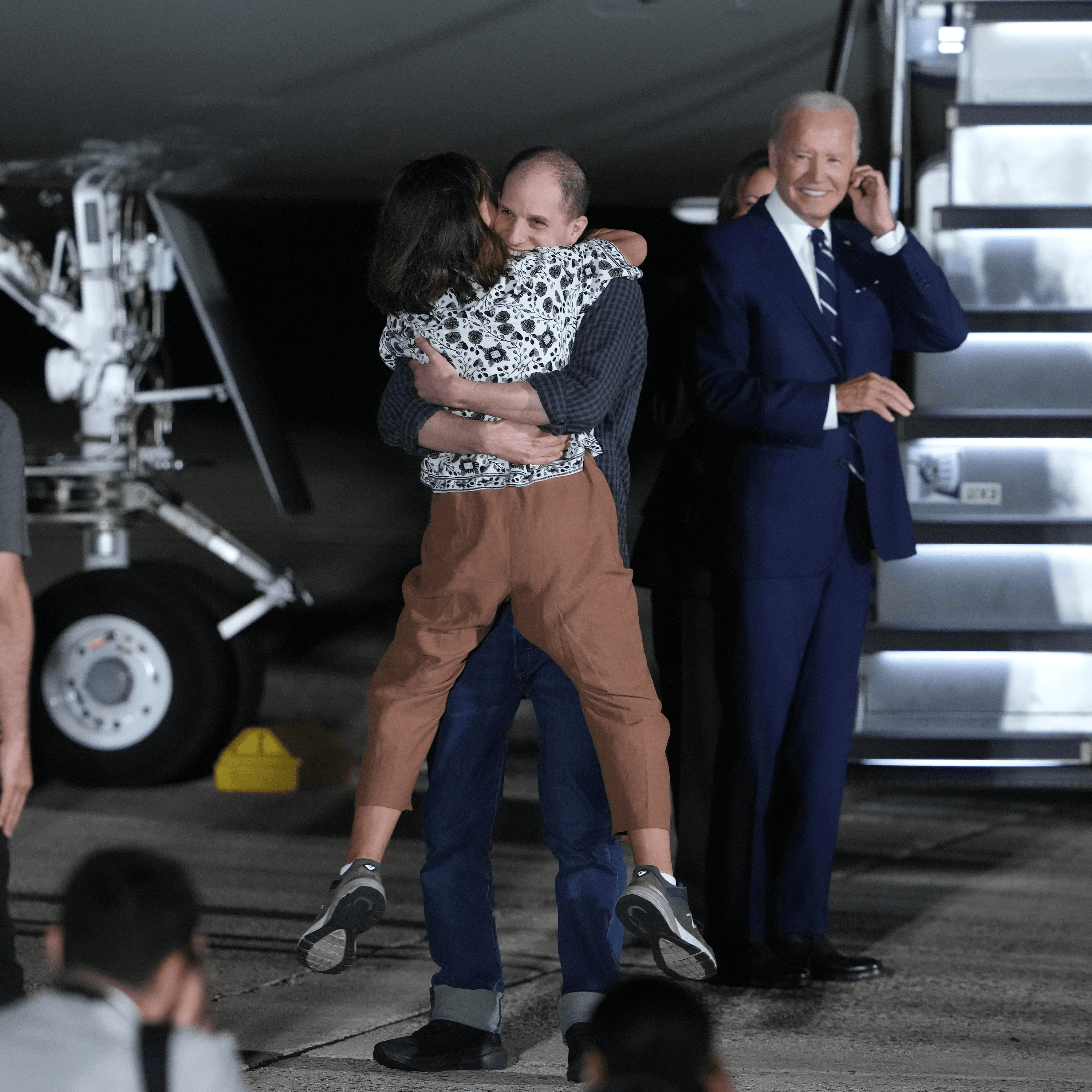
--:-- Tristan Redman: That must have been a relief for Trevor Reed and his family. Can you walk us through what it was like to be on the plane, on the tarmac, as this all transpired?
--:-- Roger Carstens: Yeah, it was a really surreal experience. I was on the plane with Trevor Reed, and we were waiting for the Russian pilot to arrive. When he did, we were able to exchange him for Trevor Reed.
--:-- Asma Khalid: That must have been a really emotional moment for Trevor Reed and his family. Can you tell us more about your experience working with the Russian government and how you were able to secure the release of other American citizens?
--:-- Roger Carstens: Yeah, I think one of the key factors was building relationships with the Russian government and finding common ground. We were able to secure the release of several American citizens, including Brittany Griner, a WNBA star who was being held in Russia.
--:-- Tristan Redman: That must have been a really challenging case to navigate. Can you tell us more about how you were able to secure her release?
--:-- Roger Carstens: Yeah, it was a complex case, but we were able to work with the Russian government to secure her release in exchange for a Russian arms dealer who was convicted of smuggling arms to Venezuela.
--:-- Asma Khalid: That must have been a difficult decision to make. Can you tell us more about your thoughts on the morality of making deals with adversaries?
--:-- Roger Carstens: Yeah, I think it's a really complex issue. While it's true that we were making deals with people who had committed serious crimes, I believe that the moral imperative of getting our citizens back outweighed the moral hazard of making deals with people who might go back to their old ways.
--:-- Tristan Redman: That's a really interesting perspective. Can you tell us more about your experience working with the Russian government and how you were able to secure the release of other American citizens?
--:-- Roger Carstens: Yeah, I think one of the key factors was building relationships with the Russian government and finding common ground. We were able to secure the release of several American citizens, including Paul Whelan, a former U.S. Marine who was being held in Russia.
--:-- Asma Khalid: That must have been a really challenging case to navigate. Can you tell us more about how you were able to secure his release?
--:-- Roger Carstens: Yeah, it was a complex case, but we were able to work with the Russian government to secure his release as part of a larger prisoner swap that involved several other countries.
--:-- Tristan Redman: That must have been a really emotional moment for Paul Whelan and his family. Can you tell us more about your experience working with the Russian government and how you were able to secure the release of other American citizens?
--:-- Roger Carstens: Yeah, I think one of the key factors was building relationships with the Russian government and finding common ground. We were able to secure the release of several American citizens, including Evan Gershkovich, a Wall Street Journal reporter who was being held in Russia.
--:-- Asma Khalid: That must have been a really challenging case to navigate. Can you tell us more about how you were able to secure his release?
--:-- Roger Carstens: Yeah, it was a complex case, but we were able to work with the Russian government to secure his release as part of a larger prisoner swap that involved several other countries.
--:-- Tristan Redman: That must have been a really emotional moment for Evan Gershkovich and his family. Can you tell us more about your experience working with the Russian government and how you were able to secure the release of other American citizens?
--:-- Roger Carstens: Yeah, I think one of the key factors was building relationships with the Russian government and finding common ground. We were able to secure the release of several American citizens, including Mark Fogle, a U.S. citizen who was being held in Russia.
--:-- Asma Khalid: That must have been a really challenging case to navigate. Can you tell us more about how you were able to secure his release?
--:-- Roger Carstens: Yeah, it was a complex case, but we were able to work with the Russian government to secure his release as part of a larger prisoner swap that involved several other countries.
--:-- Tristan Redman: Roger, you've had a remarkable career, working to free dozens of Americans who were taken hostage or wrongfully detained around the world. What advice would you give to your successor in this role?
--:-- Roger Carstens: Yeah, I think the most important thing is to remember that this is a long-term effort. It's not something that can be solved overnight. You have to be willing to put in the time and effort to build relationships with your adversaries and find common ground.
--:-- Asma Khalid: That's a really wise perspective. Roger, thank you so much for taking the time to speak with us today.
--:-- Roger Carstens: Thank you.
--:-- Asma Khalid: That was Roger Carstens, the former Special Presidential Envoy for Hostage Affairs. Our episode today was produced by Lucy Pawle.
--:-- Lucy Pawle: Thanks for listening to this bonus episode of The Global Story.
--:-- Asma Khalid: If you'd like to hear more episodes, just search for The Global Story wherever you get your BBC Podcasts.
--:-- [Music continues to play]
--:-- Tristan Redman: And if you have any story ideas or comments, please get in touch with us at theglobalstory at bbc.com.
--:-- Asma Khalid: Thanks for listening, and we'll talk to you again tomorrow.