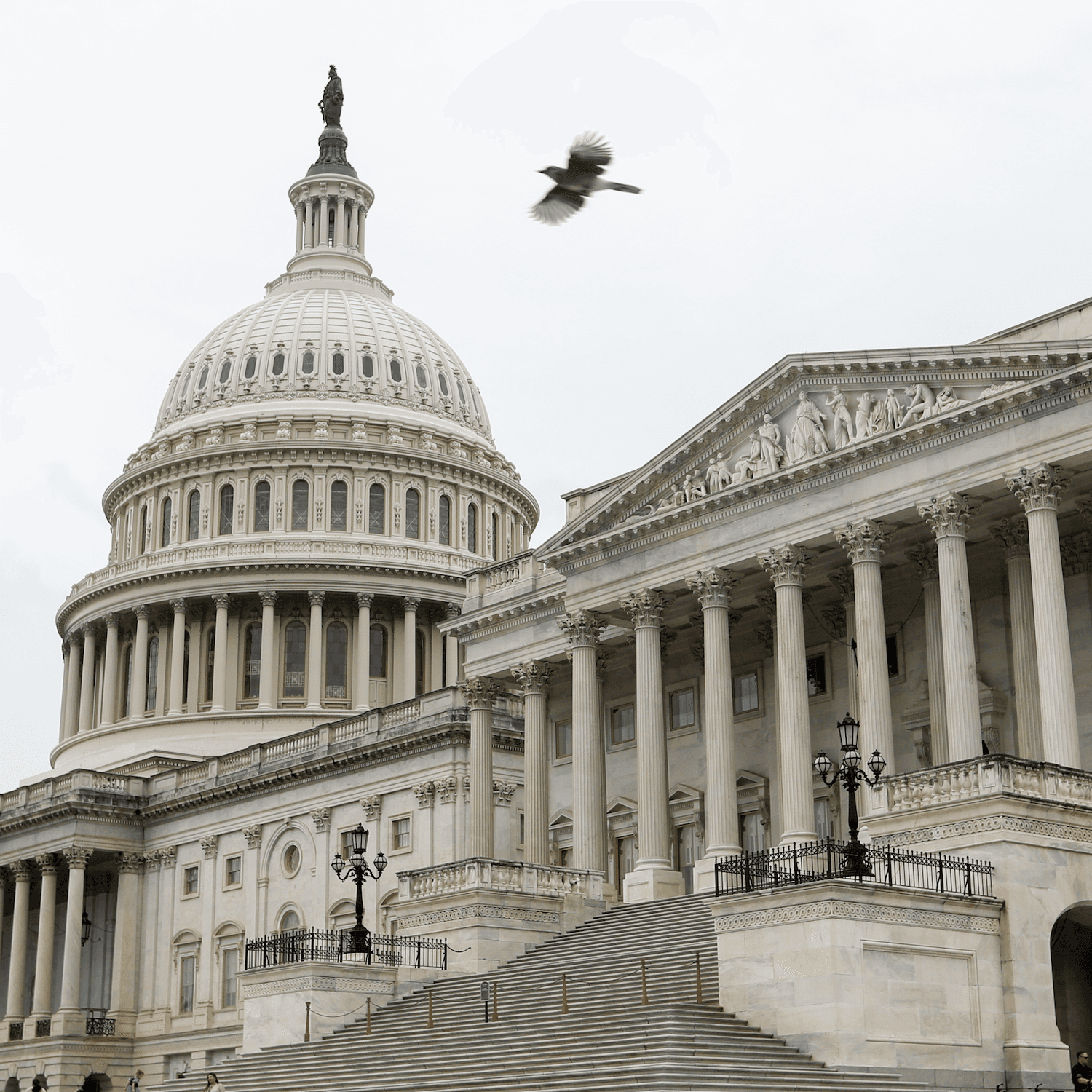
The shutdown deadline is looming. Here’s what could happen.Apple News Today · Sep 29, 2025
Main Topic: The federal government's plan to reschedule marijuana, which could happen as soon as election day, and its potential impact on the cannabis industry and society.
Key Participants:
Key Points:
Takeaways:
Theme music fades out
Sean Rameswaram
When was the last time you noticed a federal comment period? You know the type. Federal government is passing a law or changing a rule, and they want to hear what you think about it.
Natalie Fertig
Well, one of those comment periods kicks off today and runs for the next two months, and it's a big one. The federal government wants to know what you think about their plan to reschedule marijuana.
Sean Rameswaram
Not what time you take your smoke breaks, Spicoli. Sorry I'm late. It's just like this new schedule is totally confusing.
Natalie Fertig
The federal government is basically trying to recategorize weed. And it could happen as soon as election day. The president says it's a big deal. This is monumental.
Sean Rameswaram
But we reached out to a cannabis policy reporter at Politico to ask if she thought it was monumental. And she said yes, but also no.
Natalie Fertig
Our conversation is coming up on Today Explained. real-time reports, those powerful automations, which they claim can help you build what matters most, your company. You can go to adio.com slash todayexplained to get 15% off your first year.
Sean Rameswaram
That's A-T-T-I-O dot com slash todayexplained. Support for this show comes from strawberry.me. Be honest. Are you happy with your job? Or are you stuck in one you've outgrown? or never wanted in the first place?
Natalie Fertig
Let's define some terms. Cannabis is hemp and marijuana. And that's not a scientific definition. That's a legal definition.
Sean Rameswaram
Okay. Hemp or cannabis with less than 0.3% THC is federally legal. It's supposed to be the stuff that doesn't make you high.
Natalie Fertig
Cannabis with more than 0.3% THC is federally illegal, and it's still called marijuana, and it's in the Controlled Substances Act.
Sean Rameswaram
If we're talking about cannabis, we're talking about stuff that's legal and stuff that is federally illegal. So I'm going to use marijuana just so that we can be clear about what I'm talking about.
Natalie Fertig
I'm going to use marijuana, too. I am Natalie Furtig, and I am the federal cannabis policy reporter at Politico.
Sean Rameswaram
Let's start with Joe Biden's big announcement about marijuana. What did he say last week? And how is it going to happen?
Natalie Fertig
Yeah, so Biden started this process in October of 2022 when he issued this executive order saying, hey, I'm going to pardon certain types of cannabis crimes. And I'm also going to ask multiple agencies to look into moving cannabis on the Controlled Substances Act.
Sean Rameswaram
The Controlled Substances Act is like where heroin and cocaine and Tylenol with codeine are all listed and like what the rules and regulations are for them.
Natalie Fertig
Then last week, the DOJ finally came out and said, yes, we have proposed a rule that would make cannabis a less strict drug.
Sean Rameswaram
This is monumental. Today, my administration took a major step to reclassify marijuana from a Schedule I drug to a Schedule III drug.
Natalie Fertig
And Joe Biden says this is a very big deal. Is it a really big deal? It is and it is not.
Sean Rameswaram
It is maybe the biggest change in federal drug policy since the Controlled Simpsons Act was passed more than 50 years ago.
Natalie Fertig
However, for everyday people, it won't signal a huge amount of change for them. Nobody's going to get out of prison because of the rescheduling.
Sean Rameswaram
It's not going to suddenly be legal in places that it's not, like Idaho. And in places where it is legal for recreational or medical use, it'll be status quo.
Natalie Fertig
I want to ask you a lot more about this rescheduling, but I also want to ask you a lot more about the status quo.
Sean Rameswaram
Can we just talk about the current cannabis policy landscape in the United States?
Natalie Fertig
So more than half of the country lives in a state where marijuana is recreationally legal. But all of those state laws are totally against federal law.
Sean Rameswaram
Someone once called it the biggest gap between federal and state law since the Civil War.
Natalie Fertig
A lot less violent currently. But legally, it's this huge gap between what states are doing and what the federal government is doing.
Sean Rameswaram
There is a crazy patchwork of laws across this country right now, right? What's the gamut? Can you give us a sense?
Natalie Fertig
So patchwork we've got on the far end, the state of Utah has legal medical marijuana, which often surprises people because, you know, Utah also has very strict alcohol laws and alcohol regulations.
Sean Rameswaram
But the Mormon church got behind legalization a couple years ago. Bless them.
Natalie Fertig
But when they did that, they made it very akin to pharmaceuticals and actual medicine, Western medicine. So you have to have a pharmacist in dispensaries that checks your prescription and says, yeah, you're still within your prescription.
Sean Rameswaram
Since Utah voters legalized medical cannabis in 2018, the legislature has repeatedly stated it will be considered the same as any other controlled substance.
Natalie Fertig
You can't use it or be impaired while on the job, but it's no different than other prescriptions.
Sean Rameswaram
And then on the other end, you've got places like Oregon and Oklahoma. Oregon has recreational, Oklahoma has medical, but they both are just very wide open.
Natalie Fertig
At one point in Oregon, there were more dispensaries than there were Starbucks's and McDonald's combined.
Sean Rameswaram
And in Oklahoma, where only medical is legal, like 10% of the state at one point had a medical card, which essentially made it recreational.
Natalie Fertig
That's a lot of sick people.
Sean Rameswaram
So those states you know have kind of started to reel back in their regulations.
Natalie Fertig
But when both of them legalized they were just like everybody come Everyone have a dispensary Dispensary for you. Dispensary for you.
Sean Rameswaram
And as some might know, especially those who listen to this show regularly, legalizing marijuana, even in the states where it's legal, has not done much to shut down black markets for the drug, right?
Natalie Fertig
We've reported on Today Explained about this issue in California. The illegal market had used legalization as a springboard, kind of a cover, to come out of hiding from the forests and national parks into the valleys, into small communities even in California.
Sean Rameswaram
But then we've also heard a lot about New York City, which has a ton of weed shops since they've legalized marijuana, but most of them aren't legit.
Natalie Fertig
The best way to term cannabis right now is half-assed. Like, it's half done. It's only legal in half the places.
Sean Rameswaram
But conceptually, people have become much more comfortable with discussions about marijuana, with use of marijuana.
Natalie Fertig
Millennials and Gen Z are much higher users of marijuana than generations beforehand.
Sean Rameswaram
So if you're living in Pennsylvania or you're in Philadelphia, you're 25, you work in a coffee shop, you're like, I want to come home. and, you know, have a joint on a Friday night, it's not legal for you to buy that there.
Natalie Fertig
But you can drive to New Jersey, you can drive to New York, you could buy it there, or you could just call your guy in Philadelphia and it's probably easier for him to now get it from states nearby where it is legal to grow and it's harder for police to say, hey, there's 10 weed plants in that person's house.
Sean Rameswaram
Is that legal or illegal? Now they have to check if that person has a license, which requires manpower, which requires someone to go through and look through all the data.
Natalie Fertig
It's made it easier for people to grow cannabis in places like Northern California and Southern Oregon and then ship that cannabis out of the state.
Sean Rameswaram
The vast majority of the cannabis that's produced in Oregon, illegally in Oregon and California, leaves those states and goes to places like New York City or Philadelphia or Miami.
Natalie Fertig
And this stuff that's traveling across the country, that Gen Z is smoking, that even Gen Alpha is smoking. It's important to note that it's much stronger than the stuff that the boomers were smoking at Woodstock.
Sean Rameswaram
Or that they were even smoking at Woodstock 94. Or Woodstock 99.
Natalie Fertig
This stuff is super potent, right?
Sean Rameswaram
Wow, first, like, Woodstock deep cuts there.
Natalie Fertig
This is sort of like talking about now 15. Marijuana is much more potent than it used to be.
Sean Rameswaram
A lot of people talk about the potency of marijuana flower, you know, just like we've got corn that grows bigger than it used to grow 100 years ago.
Natalie Fertig
We've now got marijuana flower that grows more potent than it used to grow.
Sean Rameswaram
This is how farmers do their trade. You know, we've gone from between like 4% to 7% THC potency in your average flower, cannabis flower, to in the 20s on average in states where it's recreationally legal.
Natalie Fertig
The big problem when I talk to scientists about this, because I know there's a lot of worries about youth access and about the potential for psychosis and high potency.
Sean Rameswaram
The biggest worry isn't 30% flour. It's 80% and 90% vape pens and edibles, things that are really, really high potency.
Natalie Fertig
Edibles are harder to do that because they don't hit for like two hours. You can't turn it off. Then you're gone because that's how much you took.
Sean Rameswaram
And then with vape pens, vape cartridges, it's a little easier to self-titrate, but it's also so potent that it can go much higher, much quicker.
Natalie Fertig
And so between the ages of 15 and 25, the brain is like reforming itself. It's clearing out its synapses that it doesn't need.
Sean Rameswaram
THC can speed up that process in ways that are not normal. And in a very small percentage of people, it can induce psychosis.
Natalie Fertig
So that's the big worry. It is a big worry for a small percentage of the population.
Sean Rameswaram
But it's a big conversation for lawmakers.
Natalie Fertig
Colorado's governor just signed a new law to track and limit the purchase of high potency pot.
Sean Rameswaram
These products are incredibly harmful. We should be very, very concerned about the concentrate as it relates to cannabis.
Natalie Fertig
No one wants to be the one that legalized something that hurt a bunch of kids.
Sean Rameswaram
And you've got angry parents and then you're getting blamed the same way that, you know, lawmakers who didn't put strict enough rules around nicotine and cigarettes a couple decades ago got blamed for lung cancer.
Natalie Fertig
There's a lot of fear in politics.
Sean Rameswaram
So I would say that this becomes an outsized conversation amongst lawmakers who are worried about what they can be blamed for if they were to support legalization.
Natalie Fertig
Now that we've got the landscape established, we're going to ask Natalie what rescheduling will do when we're back on Today Explained.
Sean Rameswaram
Support for Today Explained comes from Chime. Nobody likes fees and complicated banking, says Chime.
Natalie Fertig
And Chime gets that, says Chime.
Sean Rameswaram
Chime is a financial technology company that says they understand that every dollar counts.
Natalie Fertig
So when you set up direct deposit through Chime, they say you get access to fee-free features, such as free overdraft coverage, getting paid up to two days early with direct deposit, so much more.
Sean Rameswaram
Chime says with qualifying direct deposits, you can be eligible for free overdraft, up to $200 on debit card purchases and cash withdrawals.
Natalie Fertig
Plus, they say you don't need to worry about monthly fees or maintenance fees.
Sean Rameswaram
You can work on your financial goals through Chime today.
Natalie Fertig
You can open an account in two minutes at chime.com slash explained.
Sean Rameswaram
That's chime.com slash explained.
Natalie Fertig
Chime feels like progress.
Sean Rameswaram
Chime is a financial technology company, not a bank.
Natalie Fertig
Banking services and debit card provided by the bank or bank N.A. Or Stride Bank N.A.
Sean Rameswaram
Members FDIC.
Natalie Fertig
Spot me eligibility requirements and overdraft limits apply.
Sean Rameswaram
Timing depends on submission of payment file.
Natalie Fertig
Fees apply at out of network ATMs.
Sean Rameswaram
Bank ranking and number of ATMs according to U.S. News and World Report 2023.
Natalie Fertig
Chime checking account required.
Sean Rameswaram
Support for this show comes from Macy's.
Natalie Fertig
It's almost fall. and that means it's time to cycle your wardrobe to the cold setting.
Sean Rameswaram
Because while everyone loves a breezy summer outfit let be real layering is even more fun
Natalie Fertig
That why Macy Fall Fashion Guide has everything you need to piece together the perfect look for you
Sean Rameswaram
It your one shop for fall latest trends and must curated by their experts
Natalie Fertig
Add a statement shoe to your collection, like the calf-hair loafers from Steve Madden.
Sean Rameswaram
Or tap into your romantic side with flowy dresses from Cece and sheer pieces from INC.
Natalie Fertig
You can even throw in some textural layers for contrast, like a faux fur bomber jacket from Karl Lagerfeld Paris.
Sean Rameswaram
Whether your old favorite sweater or coat is on its last threads, or you're just craving a new vibe to switch things up, Macy's has got you covered this season.
Natalie Fertig
Find the perfect layering pieces for you by exploring the Macy's Fall Fashion Style Guide.
Sean Rameswaram
Shop in-store or online at Macy's.com.
Natalie Fertig
Support for the show today comes from Life Kit, the podcast from NPR.
Sean Rameswaram
What's in your life kit?
Natalie Fertig
I'm asking, they didn't ask that.
Sean Rameswaram
Every day you have to make choices that might shape the direction of your life, but you can't flip to the back of the book to find an answer key.
Natalie Fertig
Instead, you can listen to the Life Kit podcast from NPR.
Sean Rameswaram
Life Kit offers real stories about common issues like relationships, finances, parenting, and your career.
Natalie Fertig
If you're looking to move with more intention or just need thoughtful guidance on living better, Life Kit delivers strategies to help you make meaningful, sustainable change
Sean Rameswaram
From fitness routines to mental resilience, navigating personal goals to tackling burnout, each episode is full of relevant insights and clear takeaways about things we all could use a little help with.
Natalie Fertig
LifeKit wants to help you approach your own life with confidence and clarity and walk away with a game plan you can implement right away.
Sean Rameswaram
Enough from me. Go listen to the show, LifeKit.
Natalie Fertig
It's a podcast from NPR.
Sean Rameswaram
I want to buy some pot.
Natalie Fertig
All right, pump the brakes, jorts.
Sean Rameswaram
Got to ask a few questions first.
Natalie Fertig
Today Explained is back with Natalie Fertig, federal cannabis policy reporter for Politico.
Sean Rameswaram
Natalie, we talked about the patchwork in the United States.
Natalie Fertig
We talked about how potent this stuff has become.
Sean Rameswaram
We talked about how hesitant some lawmakers are around legalization.
Natalie Fertig
But could you now just tell us what reclassification of marijuana would actually mean in practice?
Sean Rameswaram
Would it lead to more, I don't know, uniformity in state laws?
Natalie Fertig
No, it will not. States are still doing their own thing because it's still federally illegal.
Sean Rameswaram
It's not removed from the Controlled Substances Act.
Natalie Fertig
That would be de-scheduling or de-classification. This is a re-scheduling.
Sean Rameswaram
So it's just in a less strict category.
Natalie Fertig
The category it's currently in is the same one as heroin.
Sean Rameswaram
The one they're moving it to is the same as ketamine for context.
Natalie Fertig
So the biggest change that that will create actually is for the cannabis industry itself because there's this tax code that was meant for mobsters that essentially means you cannot write off any business expenses if your business is selling Schedule 1 or Schedule 2 drugs.
Sean Rameswaram
Heroin, cocaine, methamphetamine are all in Schedule 1 and Schedule 2.
Natalie Fertig
So you can't write off any business expenses.
Sean Rameswaram
So they pay like 70%, up to 70% in taxes every year, which means that they all struggle just to stay afloat.
Natalie Fertig
And if it's rescheduled, then they will no longer have to pay that high of a tax rate.
Sean Rameswaram
And the cannabis industry, if you're in a state where it's legal, might expand a lot after this.
Natalie Fertig
That's the biggest shift, actually.
Sean Rameswaram
So it's basically a big shift for small business owners and entrepreneurs who are in this industry.
Natalie Fertig
Yeah. There's an organization called the Minority Cannabis Business Association that represents specifically cannabis business owners of color.
Sean Rameswaram
And they've come out and said this would be really, really useful because especially people who've gone through the social equity programs in different states often have less capital than like a wealthy white real estate guy from Orange County who decided to get into the cannabis industry.
Natalie Fertig
And yes, I've talked to those people too. They tend to have connections that can give them venture capital.
Sean Rameswaram
They've got more money just sitting in the bank that they can invest.
Natalie Fertig
Diversity in the industry is a big problem with small business owners, minority owners especially, struggling to get started.
Sean Rameswaram
With larger companies having more resources and experience to dominate the industry.
Natalie Fertig
You know, someone whose family personally has been impacted on the war on drugs, maybe their dad spent quite a few years in prison.
Sean Rameswaram
They don't have the same deep pockets.
Natalie Fertig
And they probably also don't just know venture capitalists to invest in their business.
Sean Rameswaram
One of the lessons that we learned from other states about how it was done wrong is that we thought about diversity as an afterthought.
Natalie Fertig
And they just ended up being cut out of the industry in general.
Sean Rameswaram
They didn't know how to survive.
Natalie Fertig
They didn't have the right skills.
Sean Rameswaram
They didn't have the right networks.
Natalie Fertig
So being able to pay less taxes is going to help those types of businesses get off the ground faster.
Sean Rameswaram
It's the argument that's been made to me by these groups.
Natalie Fertig
Well, I'm glad you brought up people who have been incarcerated over marijuana because I'm curious if this rescheduling does anything further to alleviate their sentences or their criminal backgrounds, whatever it might be.
Sean Rameswaram
Yeah, it's a really good question. And the answer is it does not.
Natalie Fertig
And that's probably the biggest critique of this is that nobody's going to get out in prison.
Sean Rameswaram
If you live in a state where it's illegal or you cross state lines or you get on an airplane and you happen to be sitting next to a federal marshal who's like, why do I smell weed on you? Turn out your pockets.
Natalie Fertig
Those will all still be crimes.
Sean Rameswaram
It's still a federal crime, right?
Natalie Fertig
If you live in a state where it's state legal, you're already not getting arrested for having a joint in your pocket.
Sean Rameswaram
So that's not going to change.
Natalie Fertig
The federal criminal code in the United States specifically says marijuana And that can only be changed by Congress.
Sean Rameswaram
That can't be changed by an act of the executive branch by the president at all.
Natalie Fertig
So Congress has to be the one to pass a law that says marijuana no longer has any criminal penalties at the federal level.
Sean Rameswaram
Biden, though, in October 2022, did also issue some pardons.
Natalie Fertig
And he's issued more since then for federal cannabis crimes.
Sean Rameswaram
I'm announcing a pardon for all prior federal offenses for the simple possession of marijuana.
Natalie Fertig
There are thousands of people who are convicted for marijuana possession who may be denied employment, housing, or educational opportunities as a result of that conviction.
Sean Rameswaram
My pardon will remove this burden on them.
Natalie Fertig
Most people with marijuana possession charges are at the state level.
Sean Rameswaram
And so he also asked governors hey can you guys also issue pardons or expungements for people in your states who have what we call like low nonviolent cannabis charges whether that possession or that just a minor amount of selling.
Natalie Fertig
I'm calling on all governors to do the same for state marijuana possession offenses.
Sean Rameswaram
And actually, since the president announced that, Kentucky and Massachusetts have issued pardons, certain types of pardons.
Natalie Fertig
Cannabis is legal in Massachusetts.
Sean Rameswaram
You can grow it, You can sell it, you can buy it, you can possess it.
Natalie Fertig
And I think that it's only appropriate that we get with the current times and step into the future.
Sean Rameswaram
It's legal now.
Natalie Fertig
So the pardon is just an amazing step forward.
Sean Rameswaram
So it sounds like it's safe to say that this isn't going to do a lot on the criminal justice front.
Natalie Fertig
What about the front we discussed earlier where the weed's just way stronger and way more readily available, even though you can't turn it off when you eat too big an edible or whatever?
Sean Rameswaram
So this is really complicated because technically as a Schedule 3 drug, it could be more regulated.
Natalie Fertig
I'm not putting my money on that happening without an act of Congress saying this is what you should do and this is how we want you to do it.
Sean Rameswaram
Also, I've heard FDA talk about this and their response, I'm paraphrasing, but their response is essentially like with what money? They're just not cut out right now to regulate an intoxicating industry.
Natalie Fertig
In terms of labeling and testing and all of that kind of thing.
Sean Rameswaram
And I take it Congress doesn't want to do this right now, based on what you said earlier about there being a lot of fear?
Natalie Fertig
Yeah, so the House has actually passed a bill that would deschedule cannabis.
Sean Rameswaram
And then it just has a line saying, FDA regulate it.
Natalie Fertig
So there's not a system for how the FDA would regulate it.
Sean Rameswaram
In the Senate, Majority Leader Chuck Schumer has introduced a bill that would deschedule cannabis and tax it and regulate it.
Natalie Fertig
It's time for Congress to wake up to the times and do its part by passing the cannabis reform that most Americans have wished for.
Sean Rameswaram
It's past time for Congress to catch up with public opinion and to catch up with the science.
Natalie Fertig
But that bill doesn't even have full Democrat support right now.
Sean Rameswaram
And then you need to get 10 Republicans on board, too.
Natalie Fertig
And while there's some Republicans who I've talked to who will say things like, you know, the current state of things is untenable.
Sean Rameswaram
We need to figure something out.
Natalie Fertig
This is kind of getting crazy and out of hand.
Sean Rameswaram
No one wants to be the one to, like, take the plunge and be the small group of Republicans that crosses the aisle to legalize something that then they could get blamed for.
Natalie Fertig
Democrats have cover because they're all doing it together.
Sean Rameswaram
To me, it's a generational thing.
Natalie Fertig
As Congress ages and more Gen Xers and more millennials and eventually Gen Zers come into office, that's when it's going to be more likely that they're going to make this change.
Sean Rameswaram
Okay. But in the meantime, we've got this change coming from famously old President Joe Biden, who famously wasn't that into this idea either for much of his political career.
Natalie Fertig
Right. Why now? Why is he rescheduling this?
Sean Rameswaram
Why is he making this big, small change that mostly affects small business entrepreneurs in this industry in this election year?
Natalie Fertig
Is it just a play for votes?
Sean Rameswaram
And is it going to work if so?
Natalie Fertig
Yeah, I was going to say, you know, I'm not sure if you're aware of what's happening this November, but there will be a presidential election.
Sean Rameswaram
That plays into it.
Natalie Fertig
Based on my knowledge of President Biden, it's not something that he would do just for an election action if he didn't believe that it was the right action to do.
Sean Rameswaram
But, you know, we're talking about, hey, he's older.
Natalie Fertig
He was the only Democrat to not come out in favor of legalization in the 2020 campaign.
Sean Rameswaram
He's still that.
Natalie Fertig
But he has found the way that he can both liberalize drug laws without making it fully legal.
Sean Rameswaram
And that would play into some of his worries.
Natalie Fertig
His family has had issues with drugs.
Sean Rameswaram
You know, Hunter Biden famously has had issues with drugs.
Natalie Fertig
Drug addiction and worries about drug addiction are very personal to the president.
Sean Rameswaram
And so that is reflected in this decision that he's made to kind of thread the needle between liberalizing but still being a bit conservative on drug laws.
Natalie Fertig
And it still leaves us behind the American people.
Sean Rameswaram
A recent Gallup poll showed that 70% of US adults favor weed legalization.
Natalie Fertig
And as we established in half the country, more or less, you can walk down the street and purchase legal weed.
Sean Rameswaram
Do we think federal weed policy will ever catch up to how everyday Americans see and use this drug?
Natalie Fertig
Will it ever be on par with how Americans view it in that moment?
Sean Rameswaram
Probably not.
Natalie Fertig
But will it ever catch up to where Americans are right now?
Sean Rameswaram
Eventually, probably.
Natalie Fertig
It tends to be how things happen a lot.
Sean Rameswaram
I've had pollsters compare the dramatic shift in popularity or in acceptance of cannabis with the dramatic and quick shift in the acceptance of gay marriage in the United States, which also bubbled up from the state level to the federal level.
Natalie Fertig
There's definitely parallels between how much those two things have shifted.
Sean Rameswaram
Cannabis in the last 20 years, gay marriage in the last 30 years.
Natalie Fertig
In looking from how it shifted amongst the American public to what then happened in state and then federal law.
Sean Rameswaram
And I think we can imagine that that'll happen here.
Natalie Fertig
Natalie Fertig is the cannabis policy reporter at Politico.
Sean Rameswaram
I'm the cannabis reporter.
Natalie Fertig
You are the cannabis reporter?
Sean Rameswaram
Are you stoned now?
Natalie Fertig
I'm not stoned now.
Sean Rameswaram
Is that a requirement to be?
Natalie Fertig
It's actually not.
Sean Rameswaram
Okay, just wanted to check it out.
Natalie Fertig
I know, it's a good question.
Sean Rameswaram
Our show today was produced by Peter Balanen-Rosen and Abishai Artsy.
Natalie Fertig
We were edited by Matthew Collette, fact-checked by Laura Bullard, and mixed by Patrick Boyd, with help from Andrea, Kristen's daughter.
Sean Rameswaram
I'm Sean Ramos from, this is Today Explained.

